An AI image generation prompt is a structured text description designed to guide artificial intelligence in creating images by defining the subject, context, composition, artistic style and mood. The effectiveness of image prompts depends on clarity, detail and keyword precision, while refinement and iteration secure closer alignment with the envisioned output.
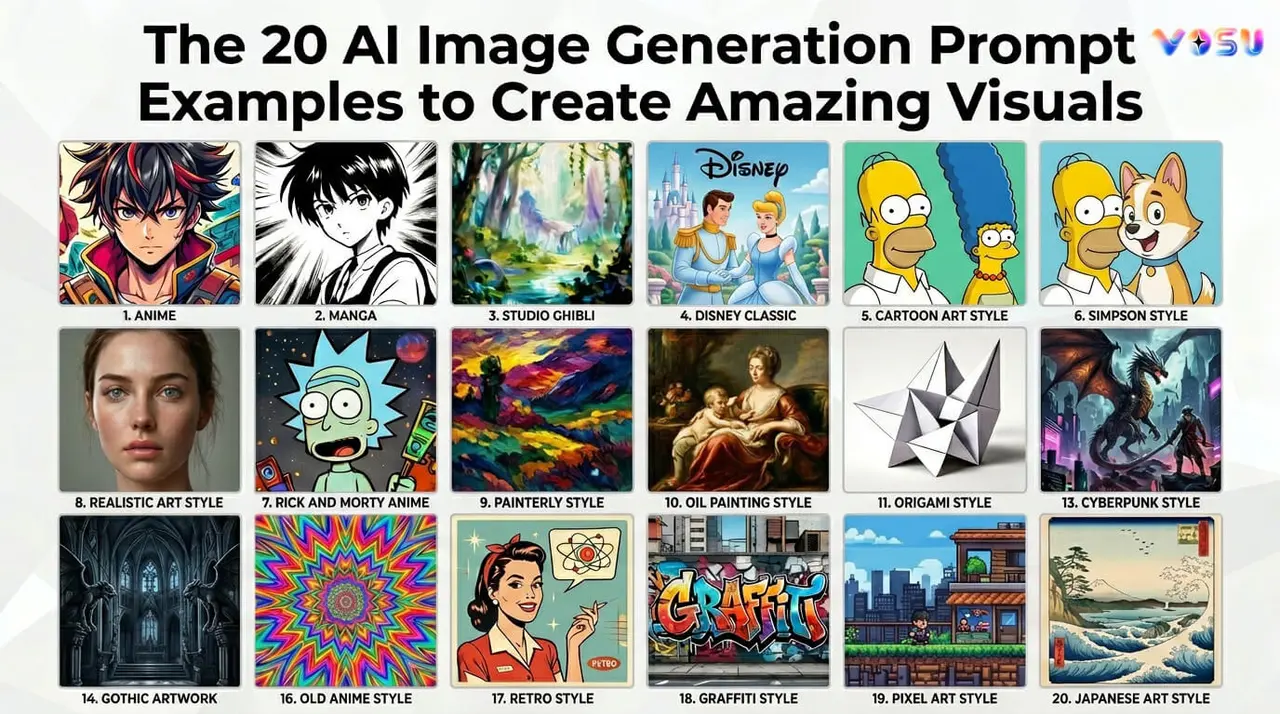
The 20 AI image generation prompt styles such as Anime, Manga, Studio Ghibli, Disney classics, Realistic, Painterly, Oil painting, Origami, Fantasy, Old anime, Graffiti and Japanese art. Their prompt templates and examples highlight unique visual characteristics, which include dynamic poses, expressive gestures, texture definition in art and color palettes. These examples demonstrate how carefully written prompts capture both realistic detail and imaginative creativity, from lifelike portraits to surreal dreamscapes. Generative AI platforms like Headshotly.ai create all of these styles that bring each artistic concept to life with remarkable precision and versatility. Sociological imagination examples appear in themes like dystopian cyberpunk, magical fantasy and gothic atmospheres, where prompts not only describe visual form, but also embed cultural meaning.
The 20 AI image generation prompt examples are listed below.
- Anime style
- Manga style
- Studio Ghibli style
- Disney classic style
- Cartoon art style
- Simpson style
- Rick and Morty anime style
- Realistic art style
- Painterly style
- Oil painting style
- Origami style
- Fantasy style
- Cyberpunk style
- Gothic artwork
- Psychedelic style
- Old anime style
- Retro style
- Graffiti style
- Pixel art style
- Japanese art style
1. Anime style
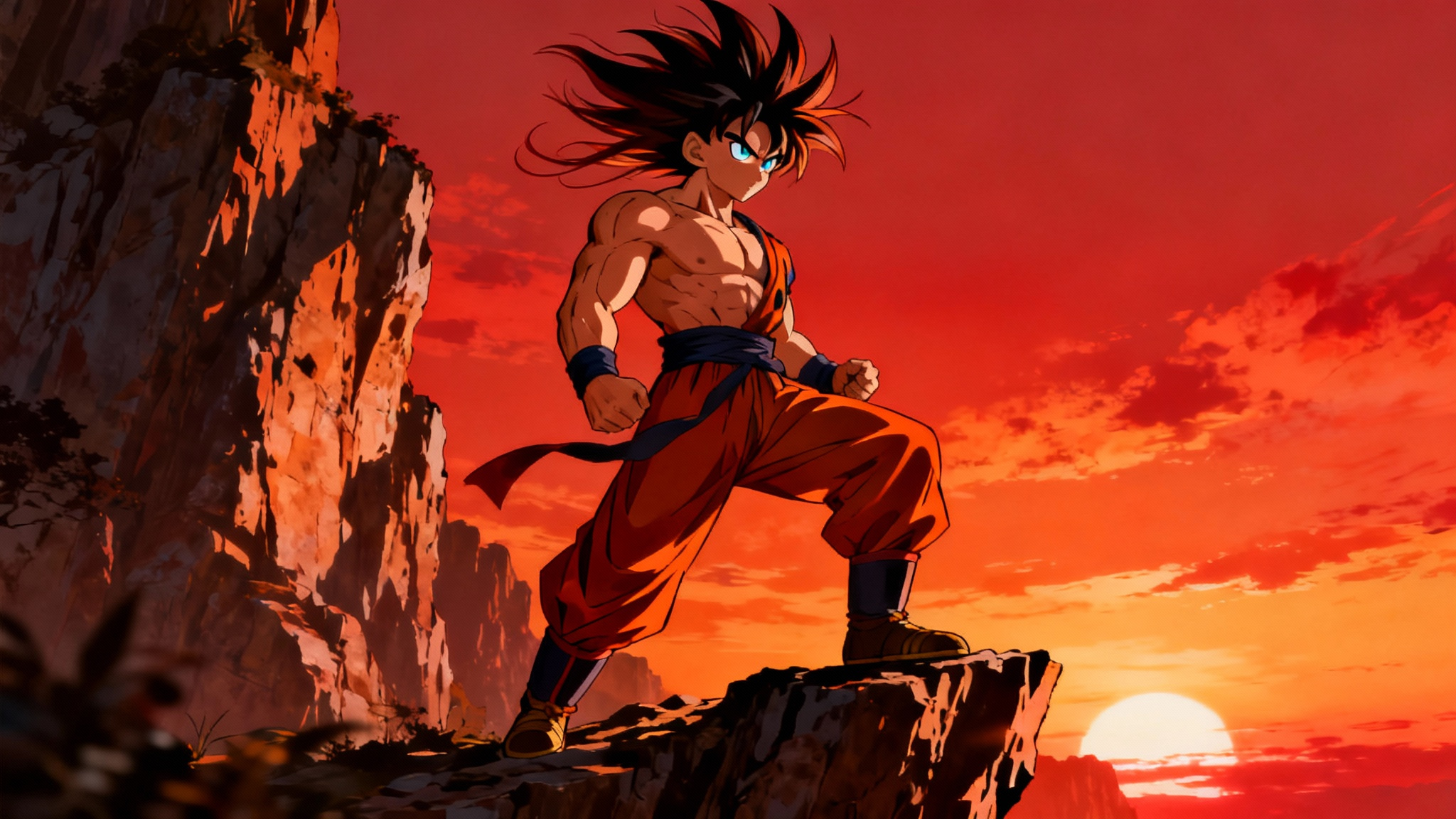
Anime style is a Japanese animation art form known for stylized characters with distinctive anime eyes, vivid coloring and vibrant hair in unique hues and shapes. It highlights emotional expression, clean linework and iconic hand gestures such as anime hands drawing.
A prompt template for anime style AI image generation is: "Generate an anime-style [character or subject description] with [notable features or attire], [pose or action], in [specific setting or background], [mood or atmosphere], [lighting details], [optional: art style or quality keywords]".
A prompt example for anime style AI image generation is: "Generate an anime-style illustration of a brave female adventurer with short silver hair and amber eyes, wearing a futuristic armored suit, standing in a neon-lit city street at night; glowing lights, rain-soaked pavement, high detail, cinematic atmosphere."
A visual outcome of the example prompt is shown below.
2. Manga style
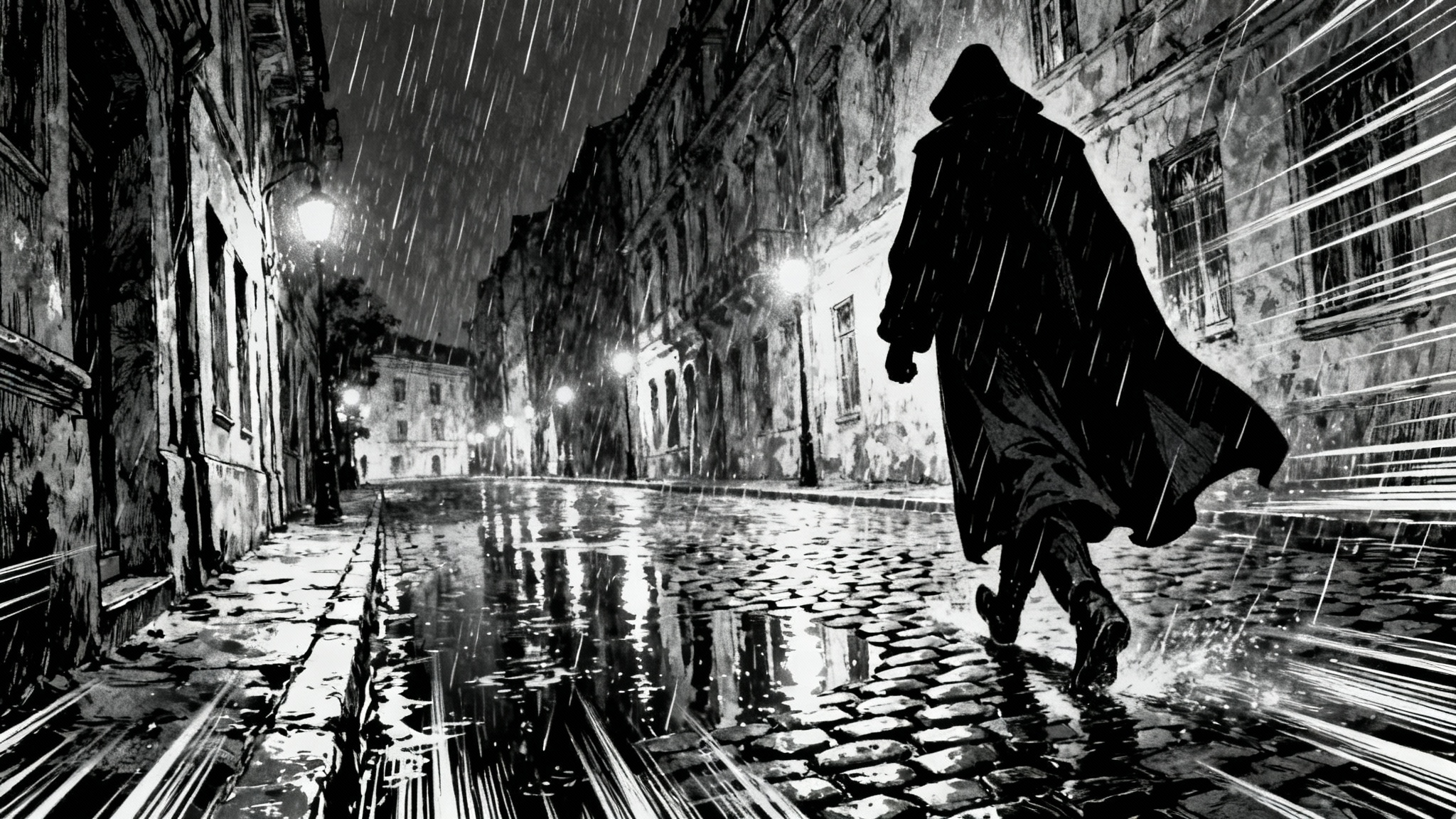
Manga style is a Japanese comic art form defined by monochrome shading, crisp ink lines and expressive characters with detailed line work. It relies on black and white techniques to create dramatic contrasts and emotional depth through hatching, screen tones and solid blacks.
A prompt template for manga style AI image generation is: ” Generate a manga style image of [character description: age, gender, hair, clothing], [pose and facial expression], in [background/setting], [art style: shoujo/shounen/seinen], [emotion or mood], highly detailed, clean linework, dramatic lighting”
A manga style AI image prompt example is: “Generate a manga style image of a teenage girl with long pink hair and glasses, wearing a school uniform, sitting under a cherry blossom tree, smiling softly, shoujo art style, peaceful mood, highly detailed, clean linework, gentle afternoon lighting.”
A visual outcome of the example prompt is shown below.
3. Studio Ghibli style
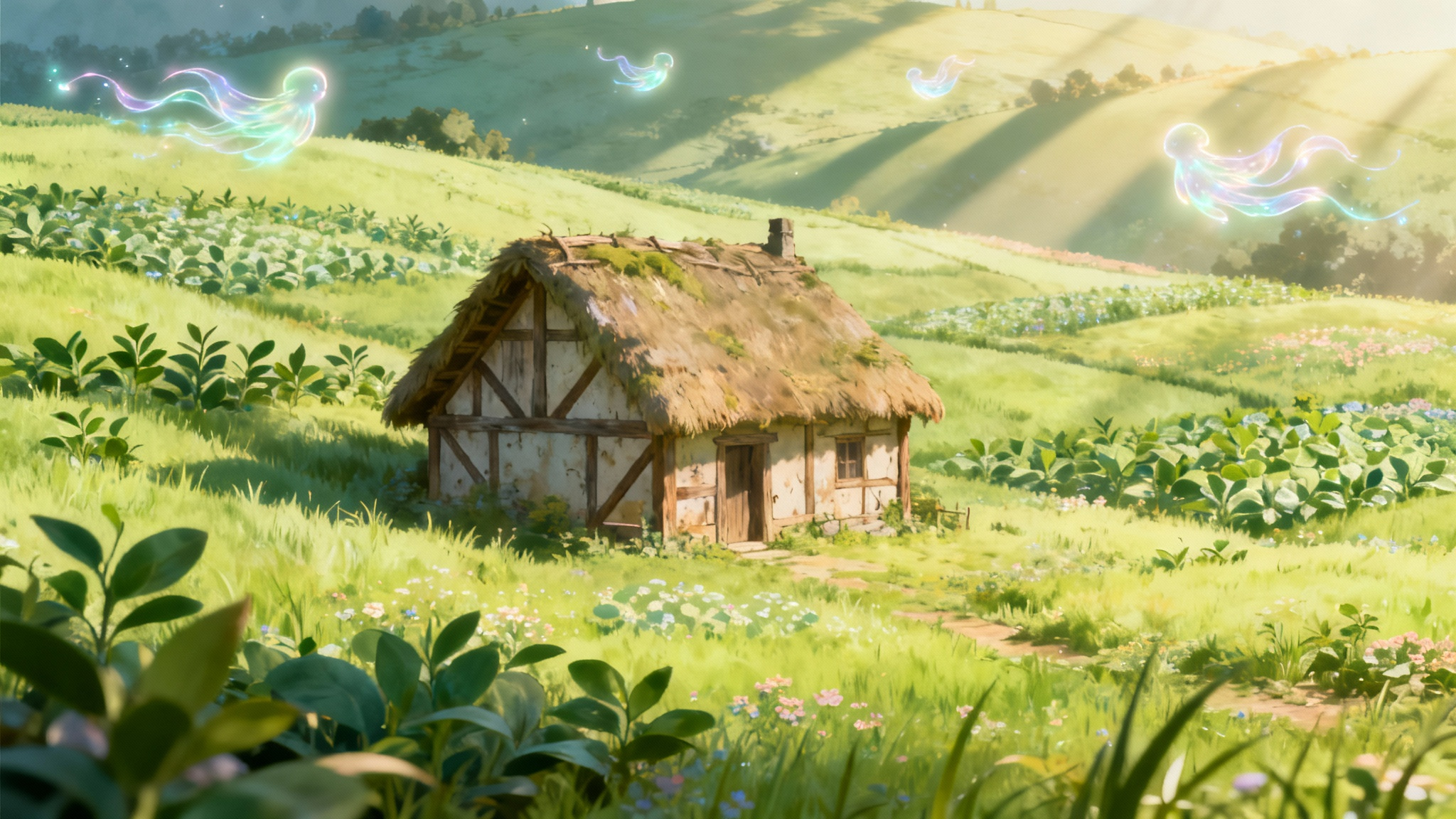
Studio ghibli style features hand drawn animation with watercolor textures, soft organic lines and subtle gradients that create dreamlike atmospheres. Its films highlight a realistic nature blended with magical elements, detailed watercolor-like backgrounds and pastel palettes that accentuate natural tones.
A prompt template for studio ghibli style AI image generation is: “Generate a studio ghibli style image of [character/animal description: age, gender, clothing, features], [activity or pose], in [vivid background: enchanted forest, cozy village, flying ship, etc.], with [atmospheric lighting: soft glow, sunset, misty morning], [emotion or mood: calm, magical, nostalgic], highly detailed, hand-drawn, watercolors, magical realism”.
An example prompt for studio ghibli style AI image generation is: “Generate a studio ghibli style image of a young girl with flowing brown hair wearing a simple blue dress, walking alongside a giant furry creature, in a lush green forest filled with fireflies and ancient trees, soft moonlight, magical atmosphere, highly detailed, dreamy and hand-drawn watercolor effect”.
A visual outcome of the example prompt is shown below.
4. Disney classic style
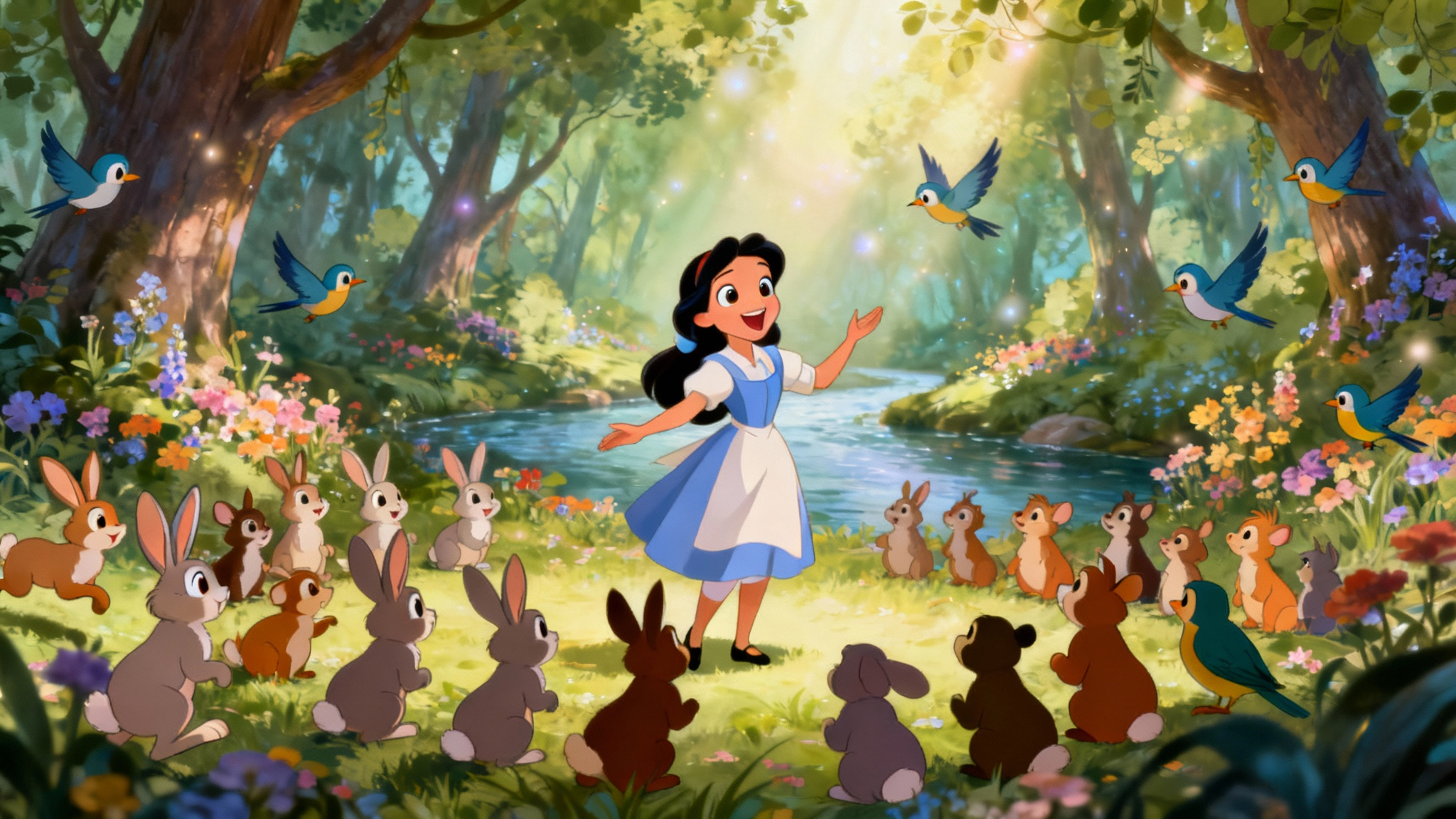
Disney classic style features storybook realism, which is a naturalistic approach inspired by European storybook illustration that creates believable yet magical worlds. Characters show expressive animation with realistic proportions and movements achieved through rotoscoping and life drawing classes. A fairytale world where fantasy springs to life combines natural environments with magical elements. This is supported by high quality Disney art techniques such as multiplane camera work and Technicolor vibrancy.
A prompt template for disney classic style AI image generation is: “ Generate a classic disney animation style image of [character description: princess/animal/hero, age, distinctive features], [emotion or action: smiling, dancing, adventurous], in [setting: magical forest, castle, village, etc.], with a colorful background, professional disney illustration, magical atmosphere, detailed, gentle curves, expressive eyes, hand-drawn charm, harmonious palette”.
An example prompt for Disney classic style AI image generation is: “Generate a classic Disney animation style image of a young princess with long golden hair and a blue dress, joyfully dancing in a flower-filled meadow under a bright blue sky, colorful background, expressive eyes, gentle curves, magical atmosphere, hand-drawn charm, detailed, harmonious colors”.
A visual outcome of the example prompt is shown below.
5. Cartoon art style
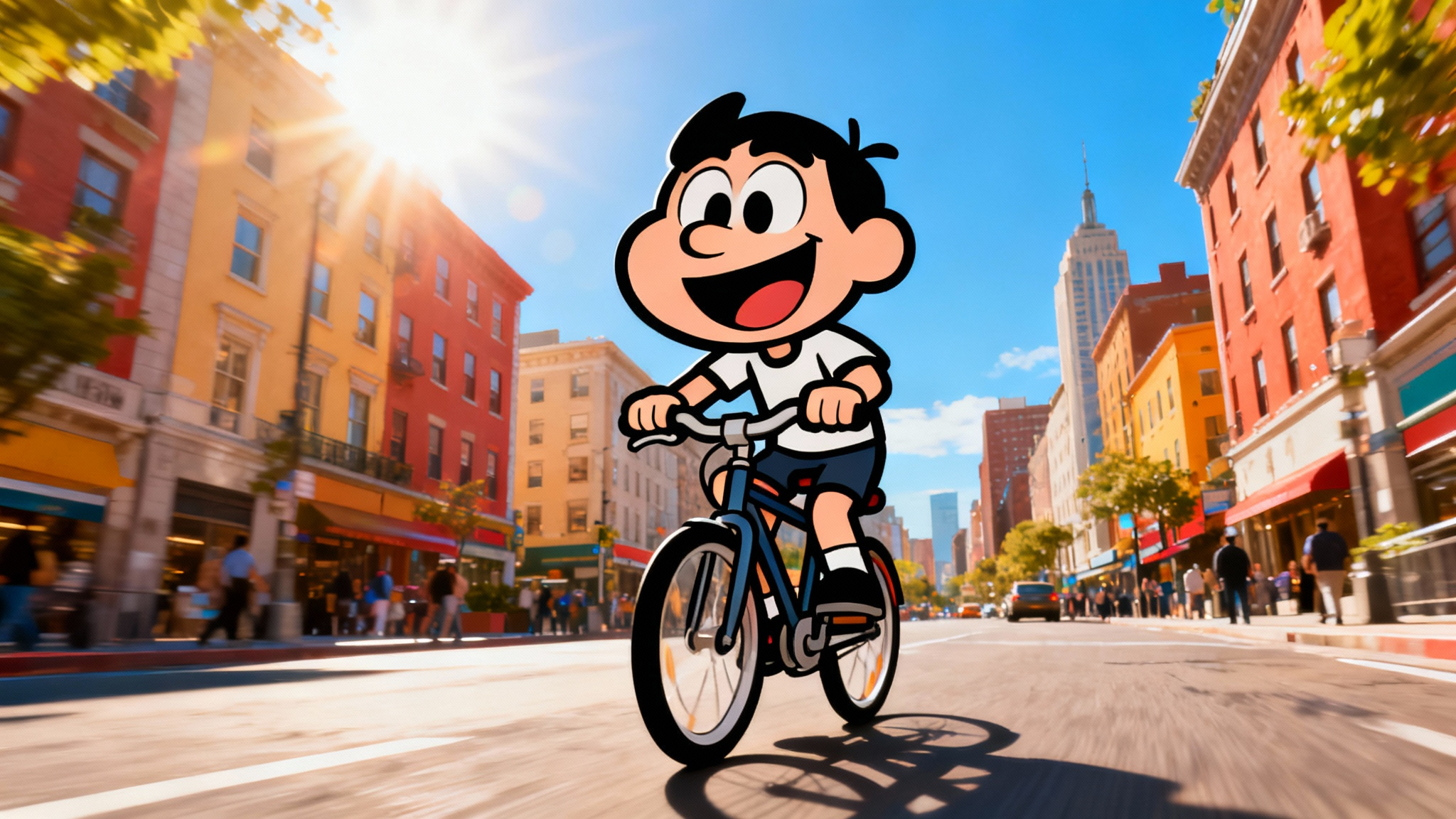
Cartoon art style features exaggerated proportions, vibrant palettes, bold lines and simplified shapes to convey humor, personality and playful motion in digital artwork. These visual elements reference 1990s cartoon characters, minimalist figures and geometric cartoon designs, which are adapted to clear and recognizable cartoon art styles.
A prompt template for cartoon art style AI image generation is: ”Generate a cartoon art style image of [character description: age, species, unique features, clothing], [pose or action: running, laughing, waving, etc.], in [background: city street, jungle, fantasy world, etc.], with [colorful palette, bold outlines, expressive facial features, playful mood], highly detailed, lively and whimsical”.
An example prompt for cartoon art style AI image generation is: “Generate a cartoon art style image of a cheerful dog wearing a red scarf, jumping and wagging its tail in a sunny park, surrounded by flowers and butterflies, with bright colors, bold outlines, big expressive eyes, playful mood and whimsical details.”
This flexible template works for sporty mascots, whimsical animals and dynamic superhero cartoons.
A visual outcome of the example prompt is shown below.
6. Simpson style
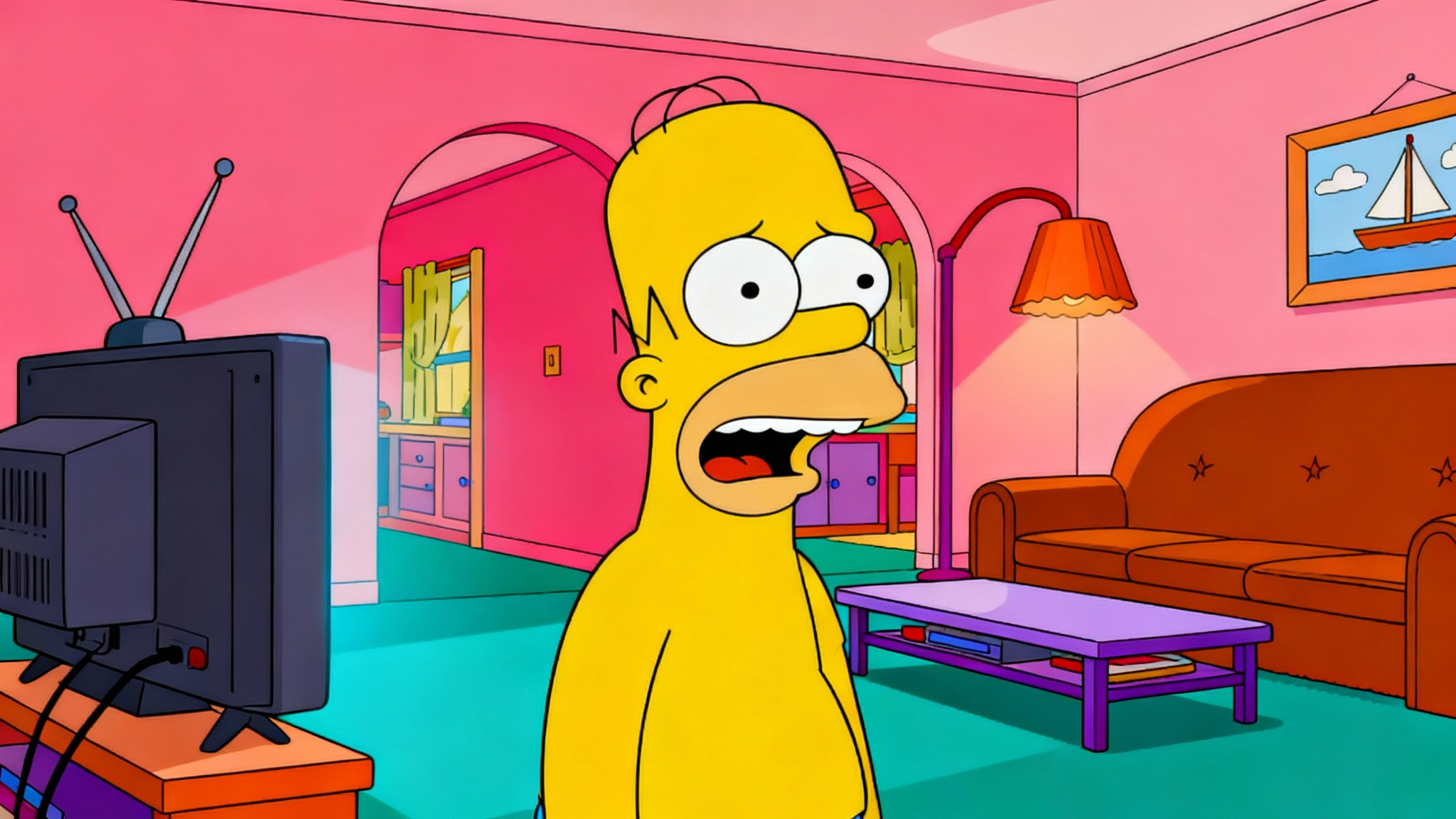
Simpson style is a cartoon art style from the TV show The Simpsons. It is recognized for bold black outlines, bright yellow skin color and simplified facial features that exaggerate expression while reflecting a playful 1990s cartoon look. The characters are yellow because creator Matt Groening wanted them to stand out and be instantly recognizable while channel surfing, which makes the color both iconic and eye catching.
A prompt template for simpson style AI image generation is: “Generate a simpsons cartoon style image of [character description: age, gender, unique features, clothing, hairstyle], [pose or activity], in [Springfield-inspired setting: living room sofa, Moe's tavern, Kwik-E-Mart, etc.], yellow skin, large round eyes, overbite, bold outlines, expressive and simple facial expressions, flat bright colors, humorous mood”
An example prompt for simpson style AI image generation is: “Generate a simpsons cartoon style image of a teenage boy with spiky blond hair, wearing a green hoodie and blue jeans, sitting on a worn-out orange sofa holding a skateboard, in a Springfield living room with a picture hanging on the wall, yellow skin, large eyes, overbite, bold outlines, bright flat colors, humorous and lighthearted atmosphere.”
A visual outcome of the example prompt is shown below.
7. Rick and Morty anime style
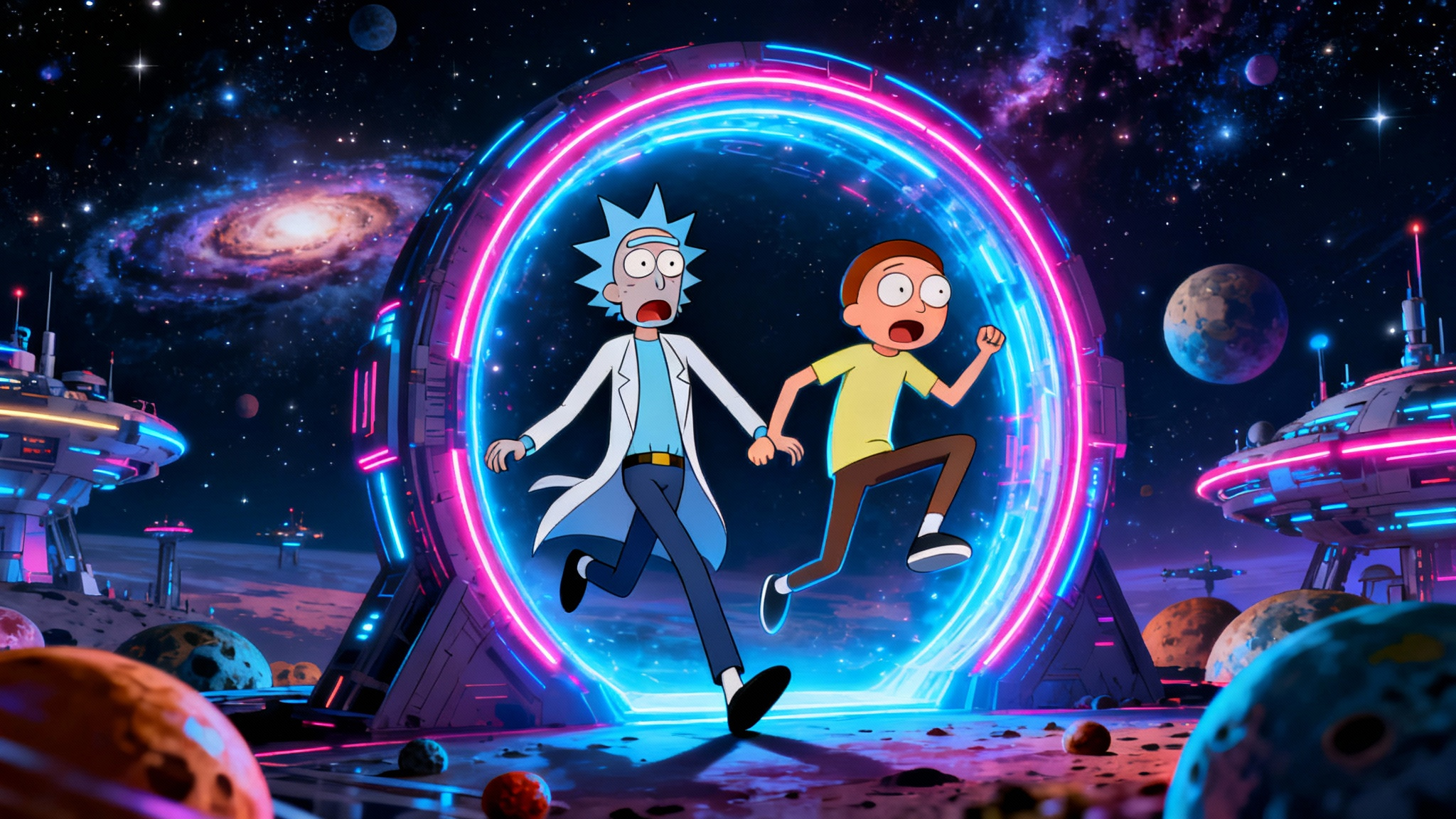
Rick and Morty anime style transforms the show's characters into the sharp, dramatic look of Japanese anime via “Rick and Morty: The Anime”.The style highlights chaotic sci-fi surrealism, vivid expressions and sharper facial and body features. It replaces the softer look of Western cartoons with bold lines, dynamic poses and highly detailed backgrounds.
A prompt template for Rick and Morty anime style AI image generation is: “Generate a Rick and Morty anime style image of [character(s): Rick, Morty, or custom, include appearance and outfit], [pose or action: running, fighting, inventing], in [wild sci-fi background: alien planet, portal, garage lab], featuring [vibrant neon colors, bold outlines, expressive anime eyes, stylized hair], chaotic energy, surreal details, highly detailed, cinematic lighting.”
An example prompt for Rick and Morty anime style AI image generation is: “Generate a Rick and Morty anime style image of Rick with spiky blue hair and a lab coat, wielding a glowing portal gun and Morty in a yellow shirt with worried anime eyes, both jumping through a swirling green portal into an alien city, vibrant neon palette, bold cartoon outlines, stylized shadows, highly detailed sci-fi background, dramatic anime lighting, energetic and tense mood.”
A visual outcome of the example prompt is shown below.
8. Realistic art styles
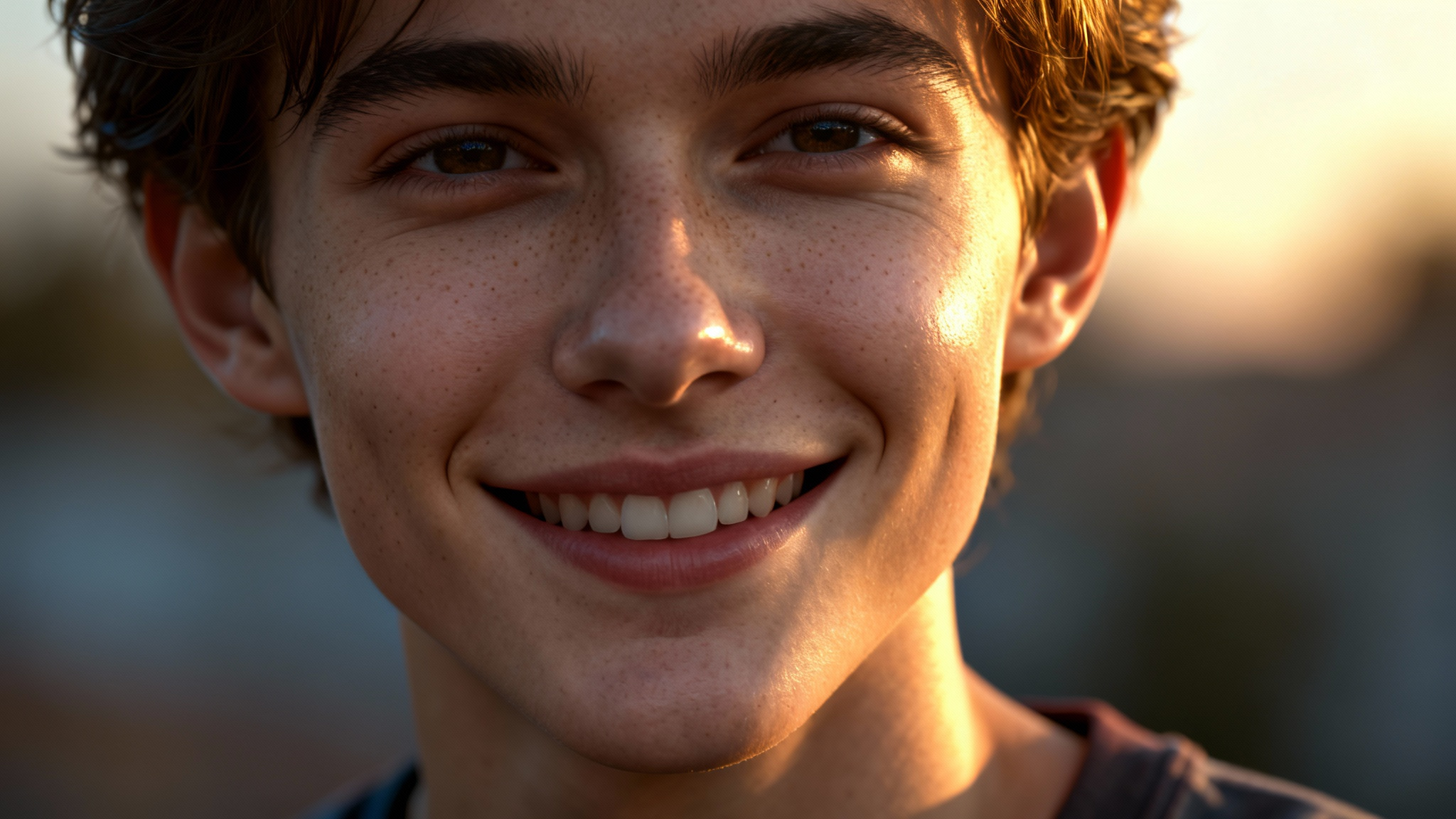
Realistic art styles depict subjects truthfully and without exaggeration. They highlight fine details, textures and natural lighting to emulate real life, which reaches hyperrealism or photorealism. The goal is to create lifelike images so accurate that they are mistaken for photographs.
A prompt template for realistic art style AI image generation is: “Create a realistic image of [main subject: person, animal, object or scene] with [precise features: age, appearance, clothing, textures], [activity or pose], in [detailed setting or background], using [camera/lens details: DSLR, 50mm lens, depth of field], [lighting: cinematic, natural light], photorealistic, high resolution, subtle shadows, natural colors, hyper-detailed textures.”
An example prompt for realistic art style AI image generation is: “Create a realistic image of an elderly man with silver hair and gentle wrinkles, wearing a navy suit and reading glasses, sitting in a sunlit library surrounded by wooden bookshelves, soft morning light, photorealistic, DSLR 85mm lens, highly detailed textures, natural color grading, volumetric light, cinematic atmosphere.”
A visual outcome of the example prompt is shown below.
9. Painterly style
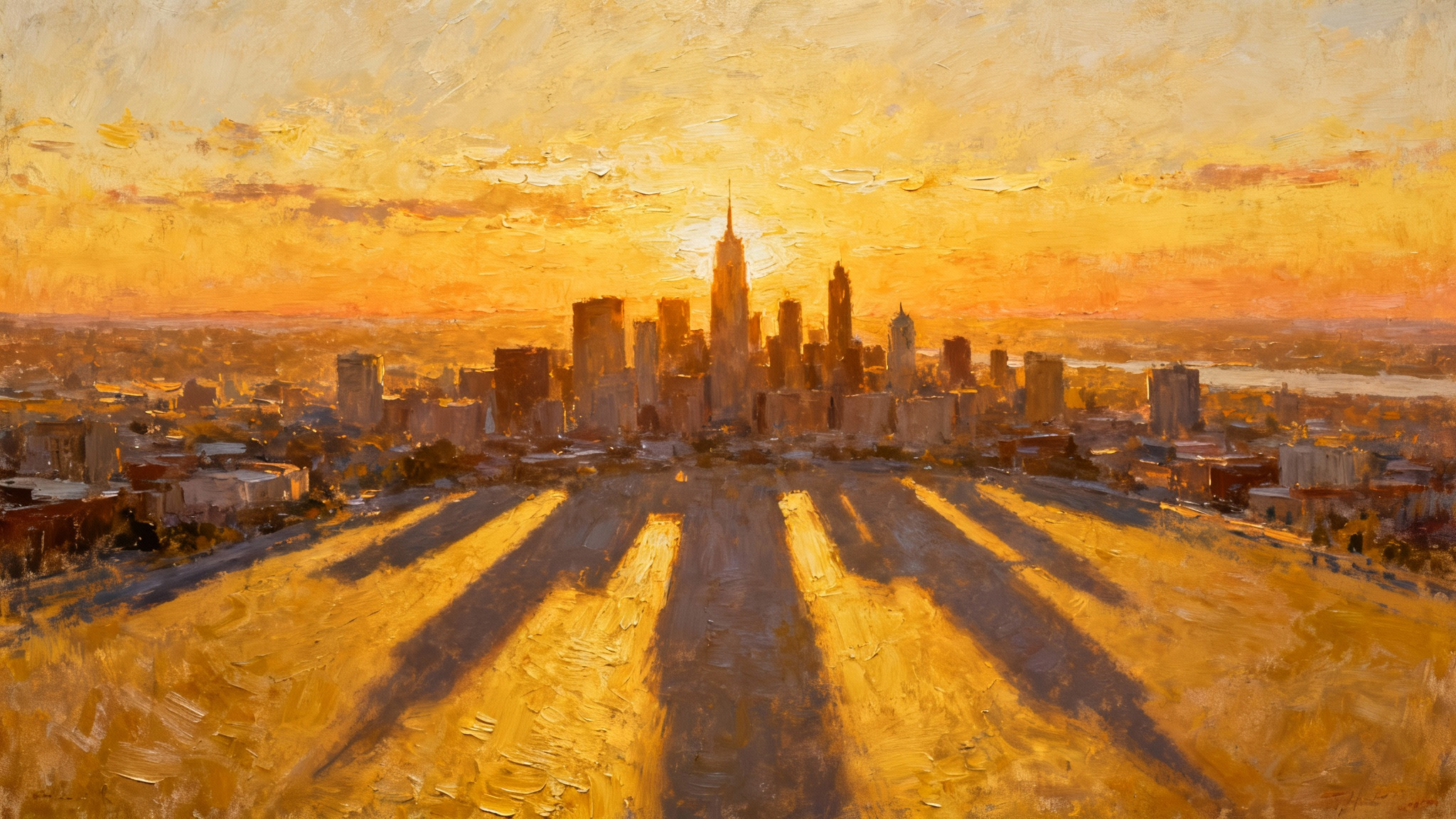
Painterly style highlights artworks created with visible brushstrokes, dynamic transitions of color and textured surfaces rather than strict realism. It incorporates expressive forms and pastel colors. This approach defines movements such as impressionism and post-painterly abstraction, where the process of painting itself shapes lively and atmospheric compositions.
A prompt template for painterly style AI image generation is: “Create a painterly art style image of [subject: character, animal, landscape or still life], [pose or activity], in [specific setting or background], featuring [visible brushstrokes, rich textures, layered colors], [art medium: oil painting, acrylic, gouache], [lighting: soft, warm, dramatic], evocative mood, artistic composition.”
An example prompt for painterly style AI image generation is: “Create a painterly art style image of a woman in a red dress, gazing out a window during golden hour, bedroom background with scattered books and flowers, visible brushstrokes, oil on canvas, rich warm colors, textured layers, soft dramatic lighting, evocative and emotional mood.”
A visual outcome of the example prompt is shown below.
10. Oil painting style
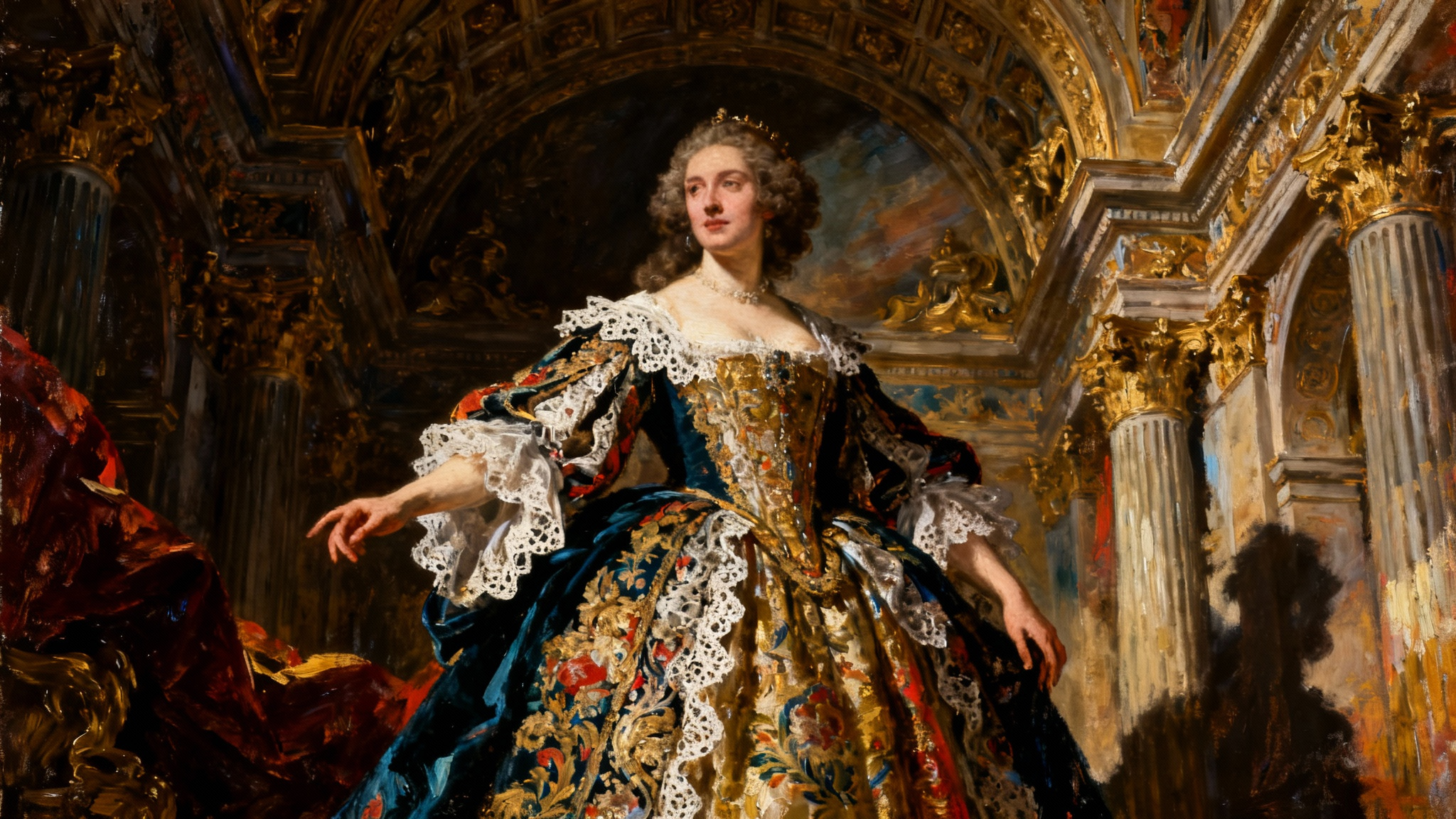
Oil painting style applies artistic techniques with oil based pigments to create rich textures and strong visual depth. It ranges from precise realism to expressive impressionism, with visible brushwork and blended, vibrant colors.
A prompt template for oil painting style AI image generation is: “Create an oil painting style image of [main subject: person, animal, scenery, object], [specific details: pose, clothing, expression, texture], in [background or setting: lush landscape, indoor scene, dramatic sky], with visible impasto brushstrokes, rich color blending, layered texture, soft or dramatic lighting, traditional artistic mood, inspired by classic oil master.”
An example prompt for oil painting style AI image generation is: “Create an oil painting style image of a violinist wearing a flowing blue gown, playing passionately on stage under golden spotlights, old theater background with red velvet curtains, thick visible brushstrokes, layered oil textures, rich color blending, soft glowing light, expressive and classic mood.”
A visual outcome of the example prompt is shown below.
11. Origami style
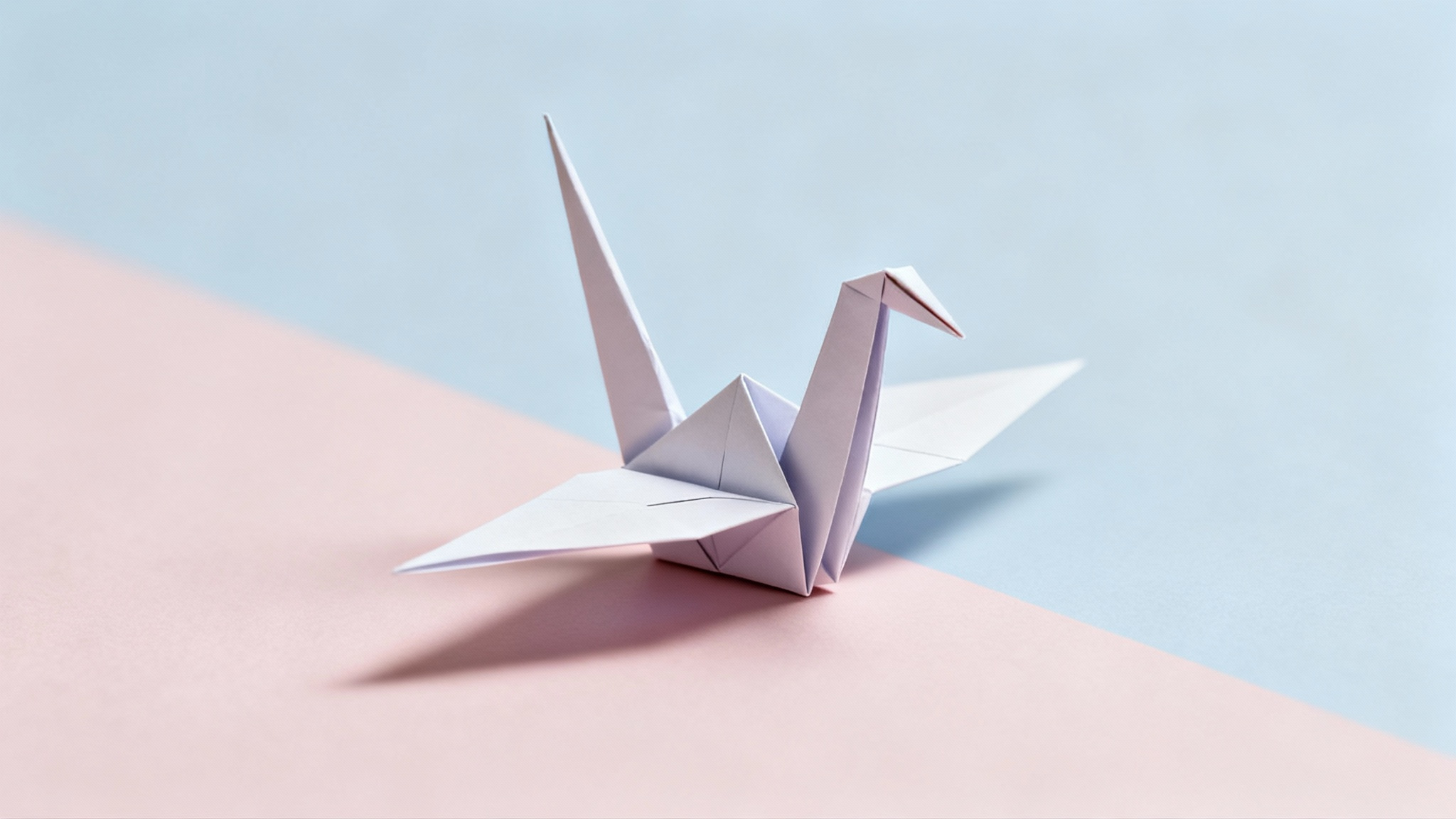
Origami style draws from the Japanese craft of paper folding. It is characterized by sharp geometric forms, angular paper like shapes and geometric arrangements that resemble an origami drawing.
A prompt template for origami style AI image generation is: “Create an origami style image of [subject: animal, character, object], [specific form or pose], constructed from folded paper with sharp, angular edges and visible crease lines, minimalist composition, subtle shadows, flat colored paper textures, clean and geometric design, inspired by traditional Japanese origami art.”
An example prompt for origami style AI image generation is: “Create an origami style image of a fox sitting upright, designed with crisp folds and angular surfaces, visible crease lines orange and white paper textures, minimalist white background with soft shadows, clean geometric look, inspired by traditional Japanese origami.”
A visual outcome of the example prompt is shown below.
12. Fantasy style
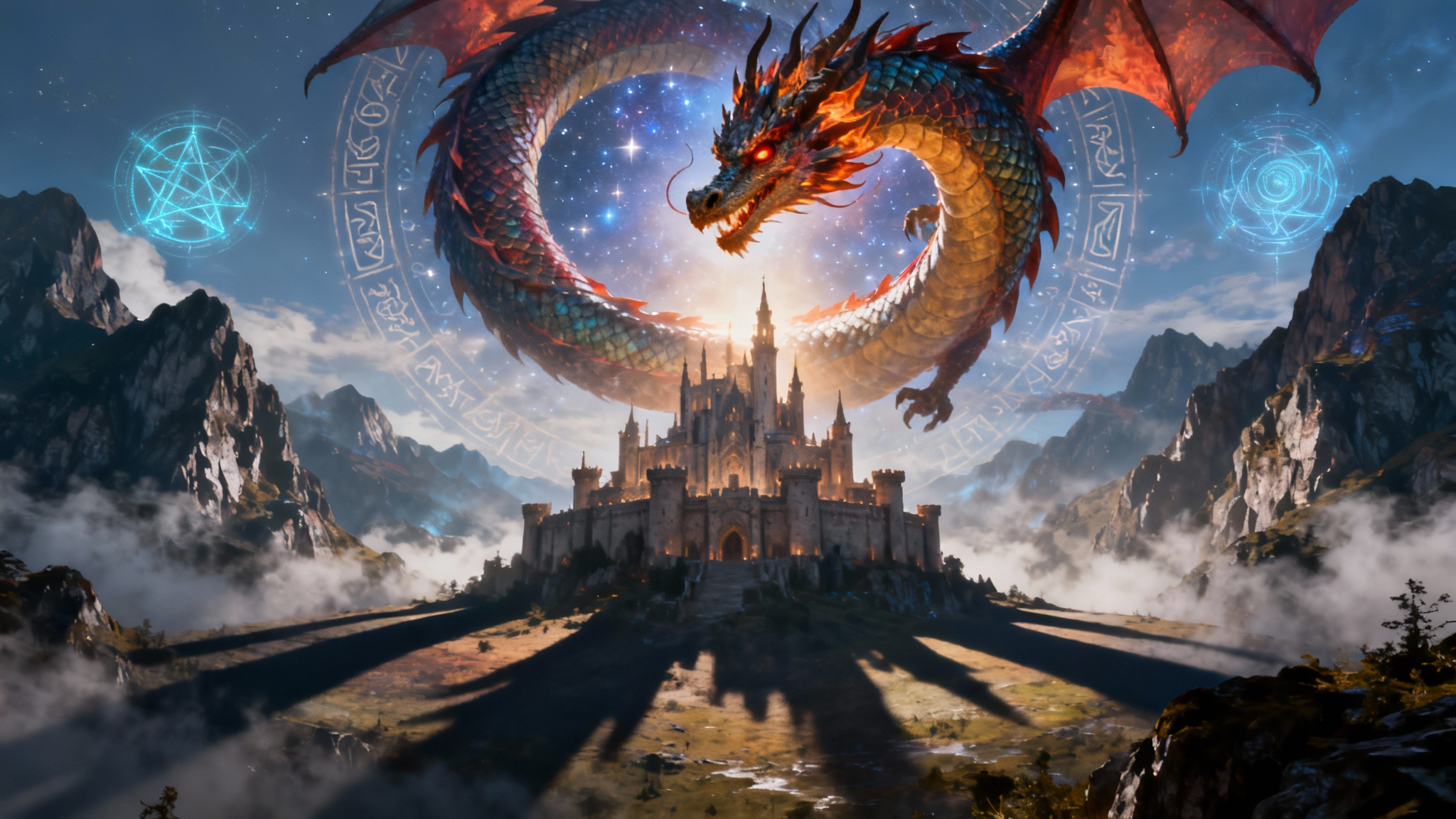
Fantasy style is an art genre characterized by supernatural beings, enchanted scenery, dramatic lighting and fairy tale elements. It transports viewers to magical realms through mystical creatures, lush landscapes and elaborate costumes for inspiration in fantasy outfit design.
A prompt template for Fantasy style AI image generation is: “Create a fantasy art style image of [main subject: hero, creature, dragon, elf, etc.], [action, pose or spell], in [magical or legendary setting: enchanted forest, ancient castle, celestial ruins, floating island], with [mythical elements: glowing runes, magical aura, swirling mist, enchanted weapons], vibrant and rich colors, cinematic lighting, highly detailed, epic and imaginative mood.”
An example prompt for Fantasy style AI image generation is: “Create a fantasy art style image of a fierce elven sorceress casting a blue fire spell, standing amidst ancient ruins overgrown with luminous vines, floating crystals and enchanted glyphs in the air, celestial night sky with two moons, vibrant, rich colors, dramatic lighting and epic fantasy mood.”
A visual outcome of the example prompt is shown below.
13. Cyberpunk style
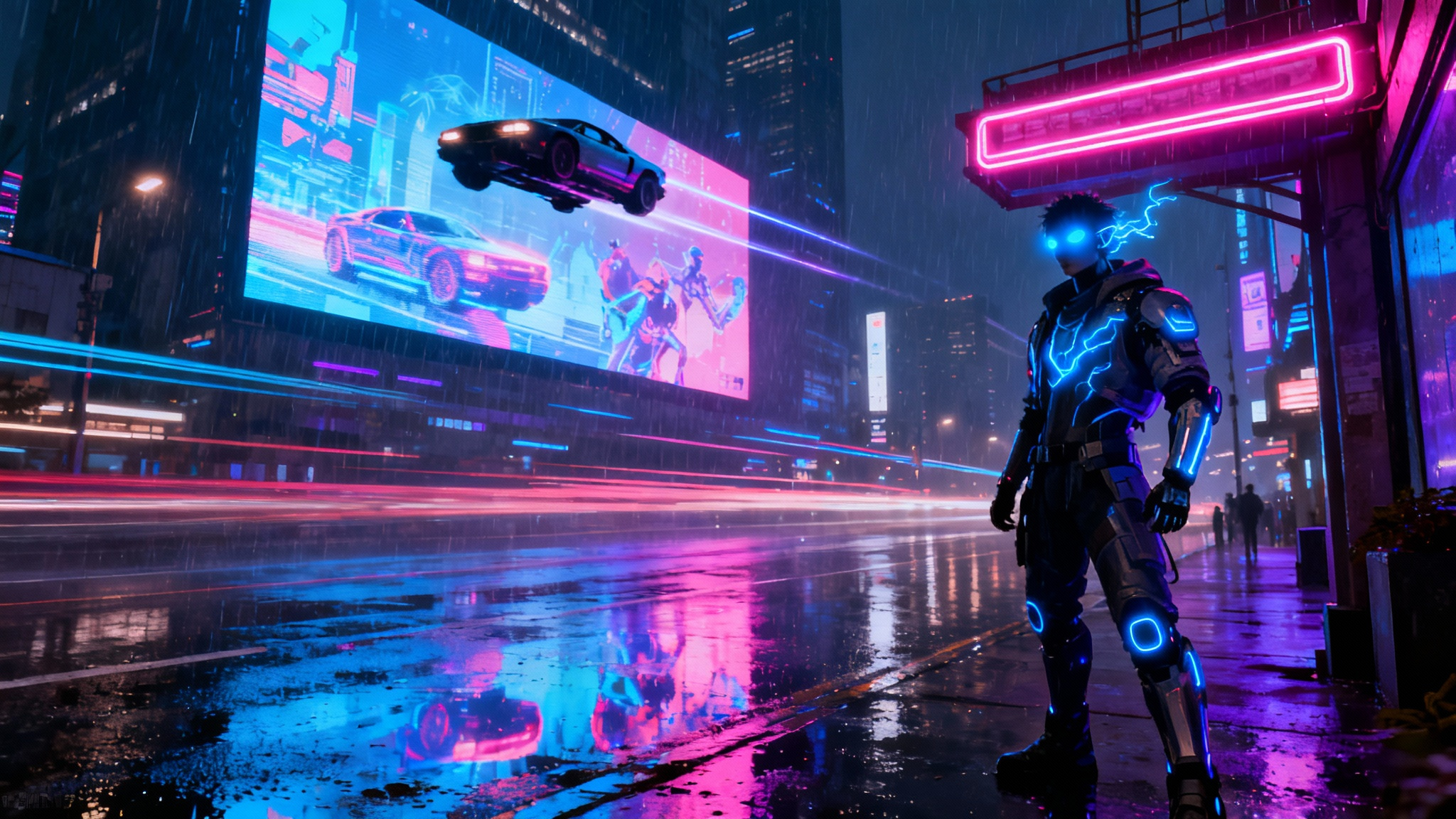
Cyberpunk style combines futuristic technology, intense neon colors and a gritty urban atmosphere, which is inspired by 90s cyberpunk anime. This style explores societal themes like dystopia, surveillance and the melding of human and machine while showcasing glowing lights, towering skylines and futuristic devices.
A prompt template for cyberpunk style AI image generation is: “Create a cyberpunk style image of [main subject: character android, hacker, cyborg, vehicle], [pose or action], in [neon-lit futuristic city: rainy streets, crowded alley, skyline with glowing billboards], with [futuristic gadgets, glowing circuitry, augmented body parts, holograms], vibrant neon colors, dark shadows, high contrast, reflective surfaces, urban mood, highly detailed, cinematic lighting.”
An example prompt for cyberpunk style AI image generation is: “Create a cyberpunk style image of a female cyborg with glowing blue eyes and metal arms, standing under neon signs in a rain-soaked alley, holding a holographic device, city skyline with flying cars in the background, bright neon pink and blue lights, reflective puddles, dark shadows and a gritty, moody atmosphere.”
A visual outcome of the example prompt is shown below.
14. Gothic artwork
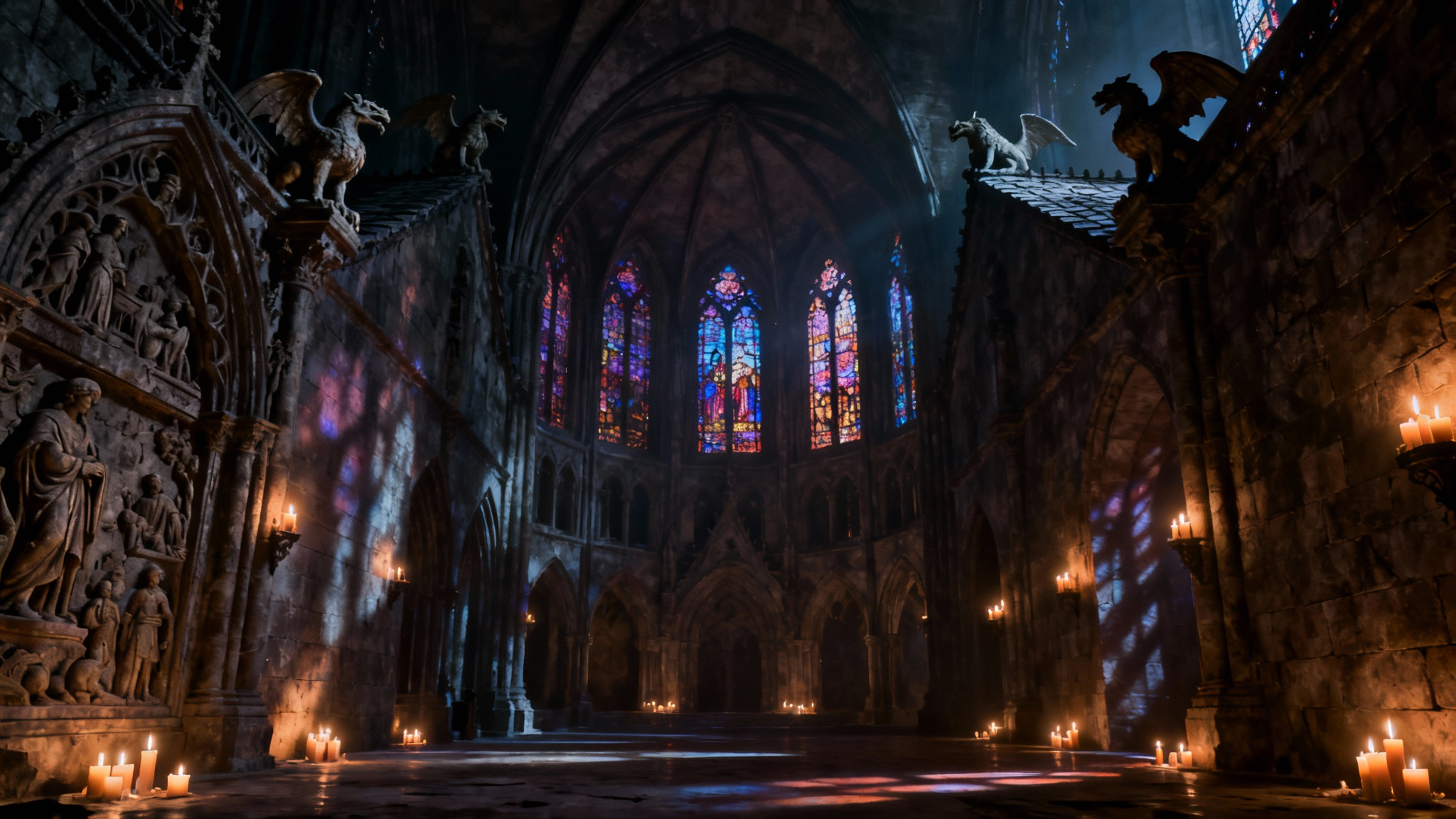
Gothic artwork draws from medieval European art and architecture, marked by ornate details, pointed arches, elaborate decoration and dramatic contrasts of light and shadow. It explores themes of mystery, melancholy and solemn beauty, which contribute to its popularity in gothic aesthetic wallpapers and gothic art drawings.
A prompt template for Gothic style AI image generation is: “Create a gothic art style image of [main subject: gothic figure, knight, spirit, haunted architecture, creature], [pose or action], in [dark, atmospheric setting: misty graveyard, ancient cathedral, moonlit forest, ruined castle], with [ornate details: stone gargoyles, flickering candles, stained glass, thorny vines], [moody lighting: dim, chiaroscuro, candlelit], rich textures, mysterious and haunting mood, highly detailed, dramatic contrast.”
An example prompt for Gothic style AI image generation is: “Create a gothic art style image of a pale noblewoman in an intricate lace gown, standing solemnly at the top of a spiral staircase in a candlelit medieval castle, surrounded by stone gargoyles and stained glass windows, shadows stretching across ancient stone walls, rich velvet and marble textures, highly detailed, dark and romantic atmosphere.”
A visual outcome of the example prompt is shown below.
15. Psychedelic style
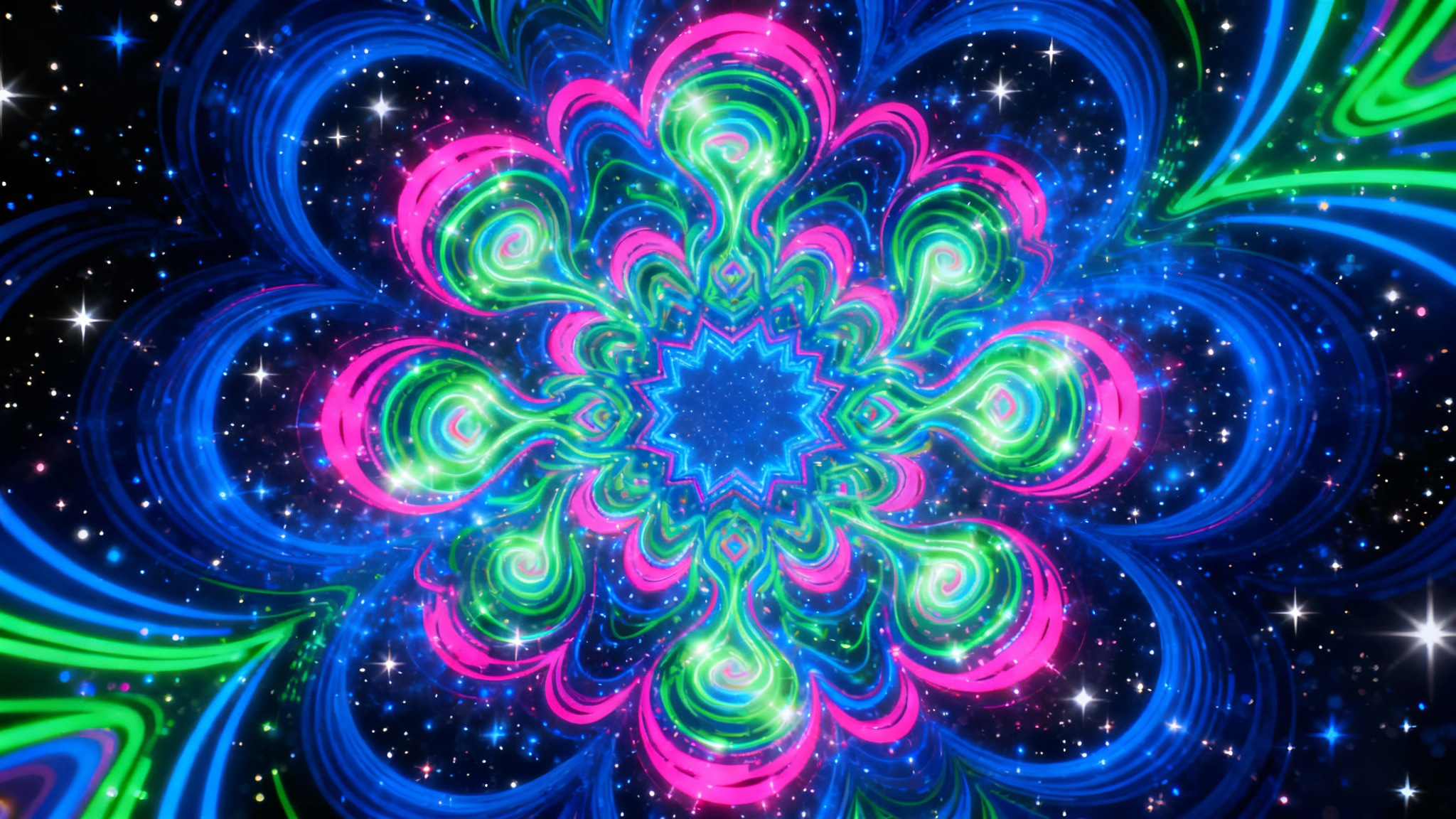
Psychedelic style is characterized by swirling patterns, mind bending shapes and non-naturalistic colors that represent the inner workings of the mind or hallucinations. This art style uses intense, vibrant hues, originating from 1960s counterculture, to stimulate emotional intensity and optical illusions to unsettle ordinary perception. It also incorporates dreamlike imagery to reflect the surreal, which shifts the quality of psychedelic experiences and spiritual exploration.
A prompt template for psychedelic style AI image generation is: "Create a psychedelic art style image of [main subject: character, animal, abstract form], [action or pose], in [fantastical or dreamlike setting: cosmic landscape, swirling world, fractal garden], with [vivid neon colors, intricate swirling patterns, kaleidoscopic shapes, glowing light effects], surreal and trippy atmosphere, highly detailed, mind-bending and imaginative mood."
An example prompt for psychedelic style AI image generation is: "Create a psychedelic art style image of a meditating figure with flowing hair, floating in a cosmic garden of glowing mushrooms and swirling fractal vines, surrounded by neon-colored bursts, intricate geometric patterns and radiant light, intensely vibrant color palette, surreal and dreamlike environment."
A visual outcome of the example prompt is shown below.
16. Old anime style
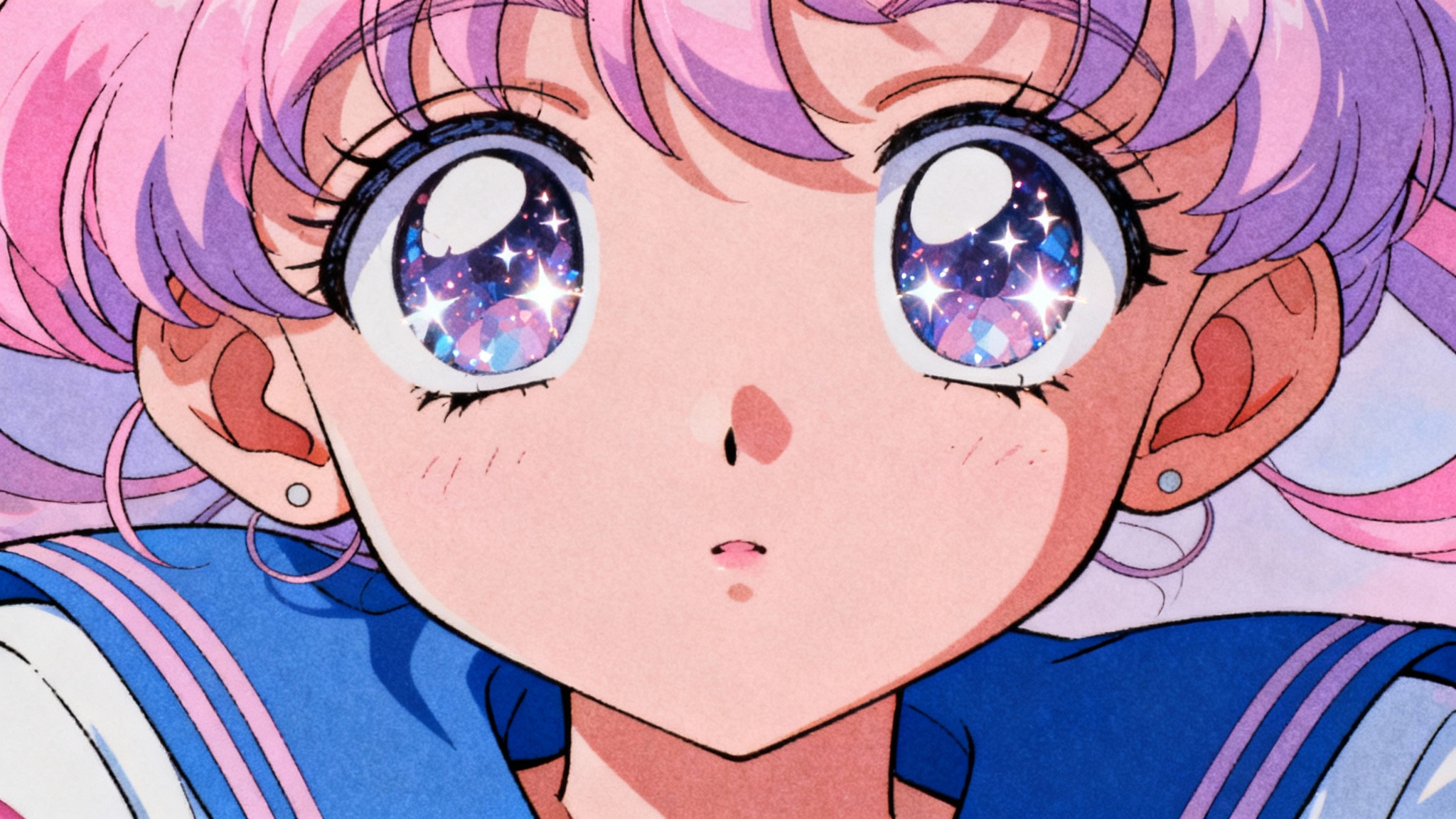
Old anime style refers to the visual aesthetics seen in anime from the 1960s through the 1990s. It is recognized for clean character designs, classic cel shading, exaggerated facial features, real world hair and eye colors and subtle grainy or VHS-like textures which evoke vintage animation.
A prompt template for old anime style AI image generation is: “Create an old anime style image of [main subject: character, robot, vehicle, creature], [pose or action], in [retro setting: city street, mecha battlefield, high school, arcade], with [cel-shaded colors, bold outlines, vintage film grain, muted pastels or saturated hues], nostalgic vibe, hand-drawn look, VHS or 80s/90s animation aesthetic.”
An example prompt for old anime style AI image generation is: “Create an old anime style image of a teenage hero with spiky black hair, wearing a red jacket and jeans, running through a rain-soaked urban street lit by neon signs, bold hand-drawn lines, cel-shaded coloring, subtle film grain, classic retro anime mood, dynamic pose, 1980s Japanese animation style.”
A visual outcome of the example prompt is shown below.
17. Retro style
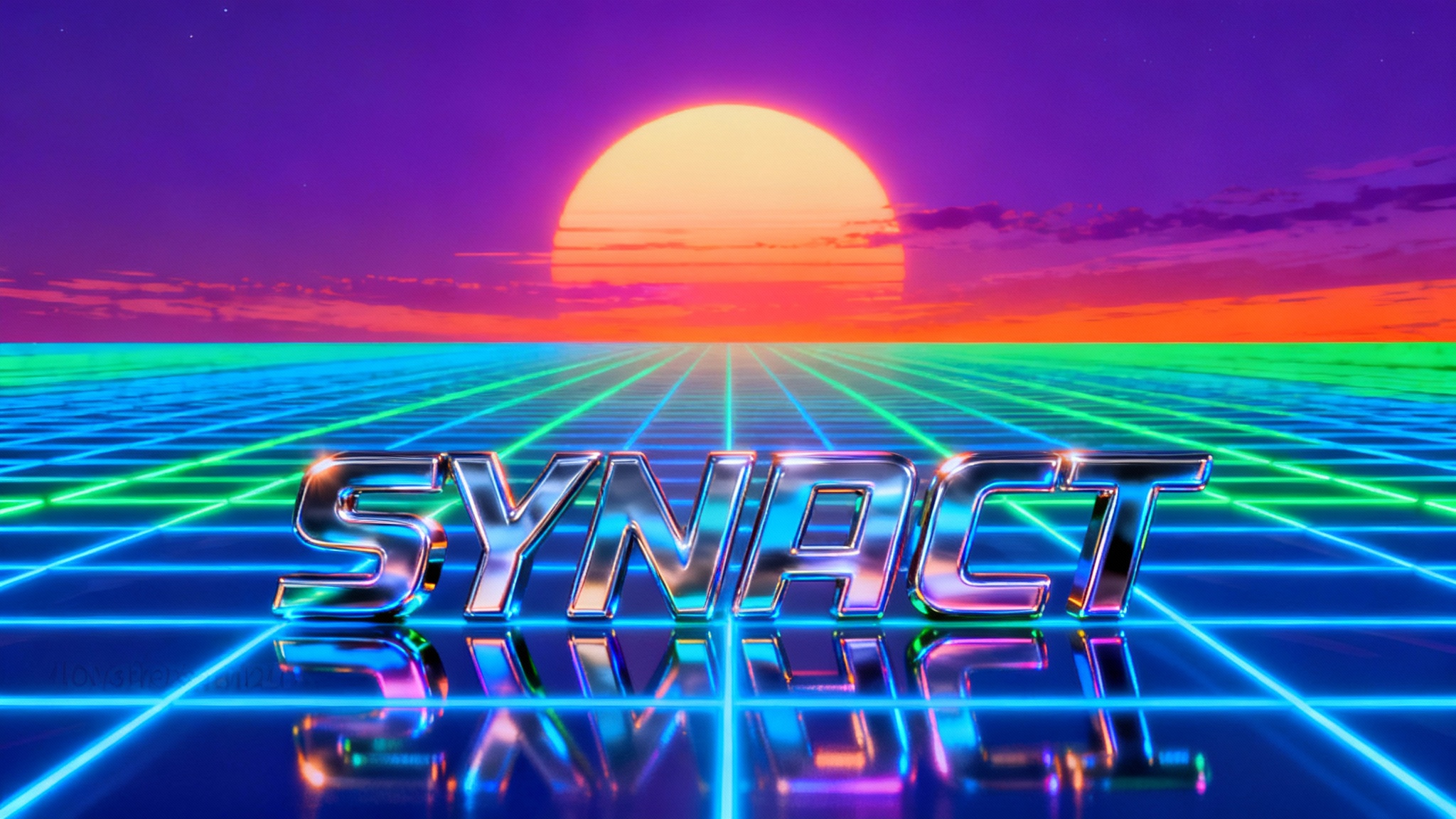
Retro style from the 1990s decade’s vibrant visual language, which features bold colors, geometric shapes, playful pop culture references and a mix of digital and analog aesthetics reminiscent of early computer graphics, TV and fashion trends.
A prompt template for studio ghibli style AI image generation is: “Create a retro style image of [main subject: character, object, scene], [specific action or pose], in [setting: diner, arcade, vintage city, old living room], with [bold geometric patterns, vintage color palette: teal, orange, mustard, pink, etc.], stylized fonts or signage, grainy textures or halftone shading, nostalgic atmosphere, reminiscent of [choose decade: 1950s/1970s/1980s/1990s] design.”
An example prompt for Studio Ghibli–style AI image generation is: “Create a retro style image of a young woman in roller skates serving milkshakes at a 1950s diner, pastel color palette, checkered floor, neon signage, chrome furniture, grainy texture and nostalgic, vibrant atmosphere.”
The visual outcome of the example prompt:
18. Graffiti style
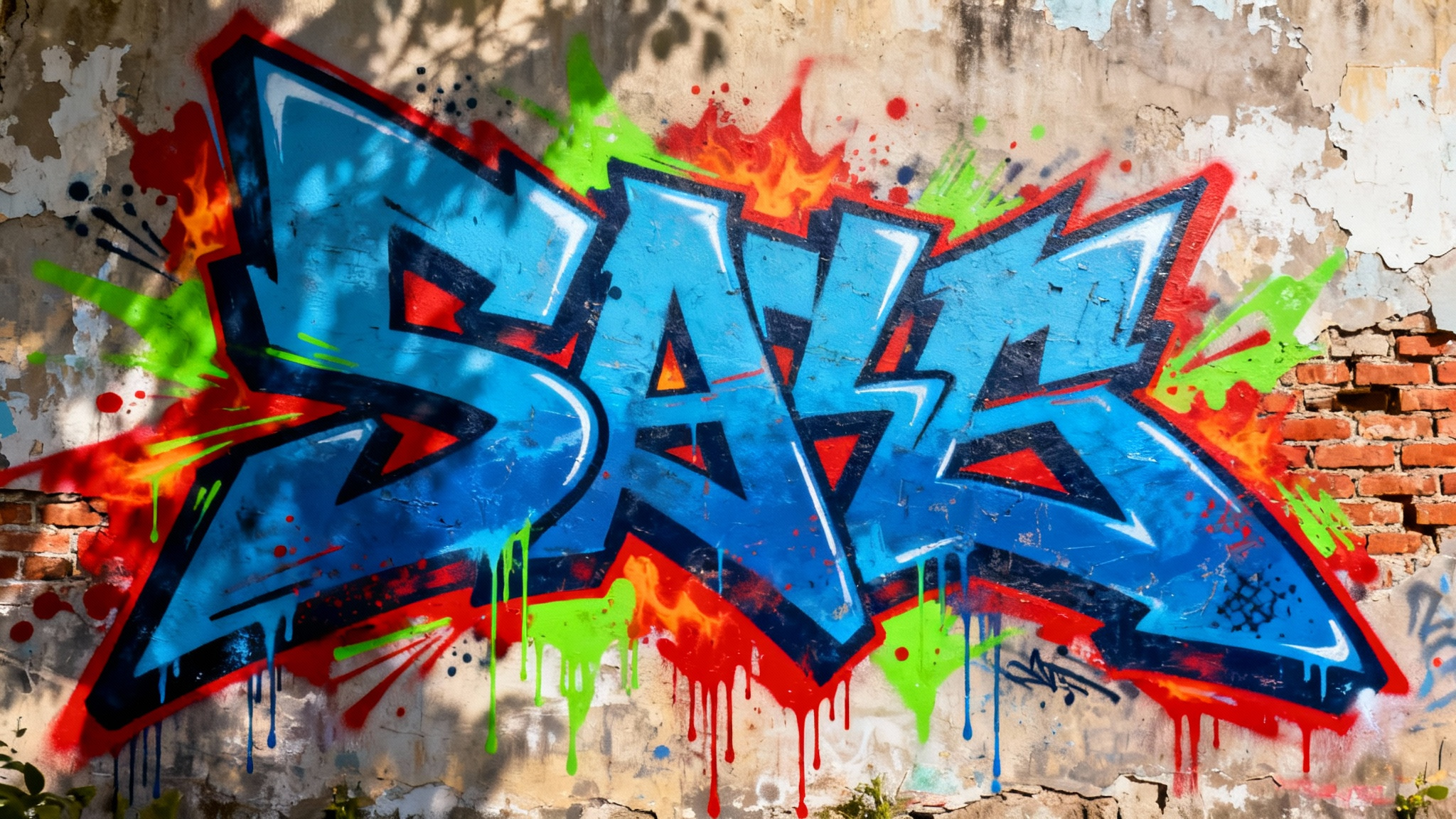
Graffiti style is an urban art form known for large scale, highly expressive lettering and vibrant graffiti cartoon characters created with spray paint and bold outlines. This style features “wild style” graffiti, with interlocking text, exaggerated shapes and dynamic, rebellious energy found in graffiti art drawings.
A prompt template for Graffiti style AI image generation is: “Create a graffiti style image of [main subject: word text, character, mural scene], [action, pose or theme if needed], on [urban background: concrete wall, subway train, brick building], with [bold outlines, vibrant spray paint colors, dripping paint, street art elements, cartoon or 3D features], wildstyle or bubble letters, dynamic energy, layered textures, rebellious and urban atmosphere.”
An example prompt for Graffiti style AI image generation is: “Create a graffiti style image of the word “ELEVATE” in wildstyle bubble letters, painted on a brick wall with neon blues, pinks and greens, dripping spray paint, layered tags and dynamic arrows, with a cartoon breakdancer character in the corner, urban city vibes, vibrant and energetic appearance.”
A visual outcome of the example prompt is shown below.
19. Pixel art style
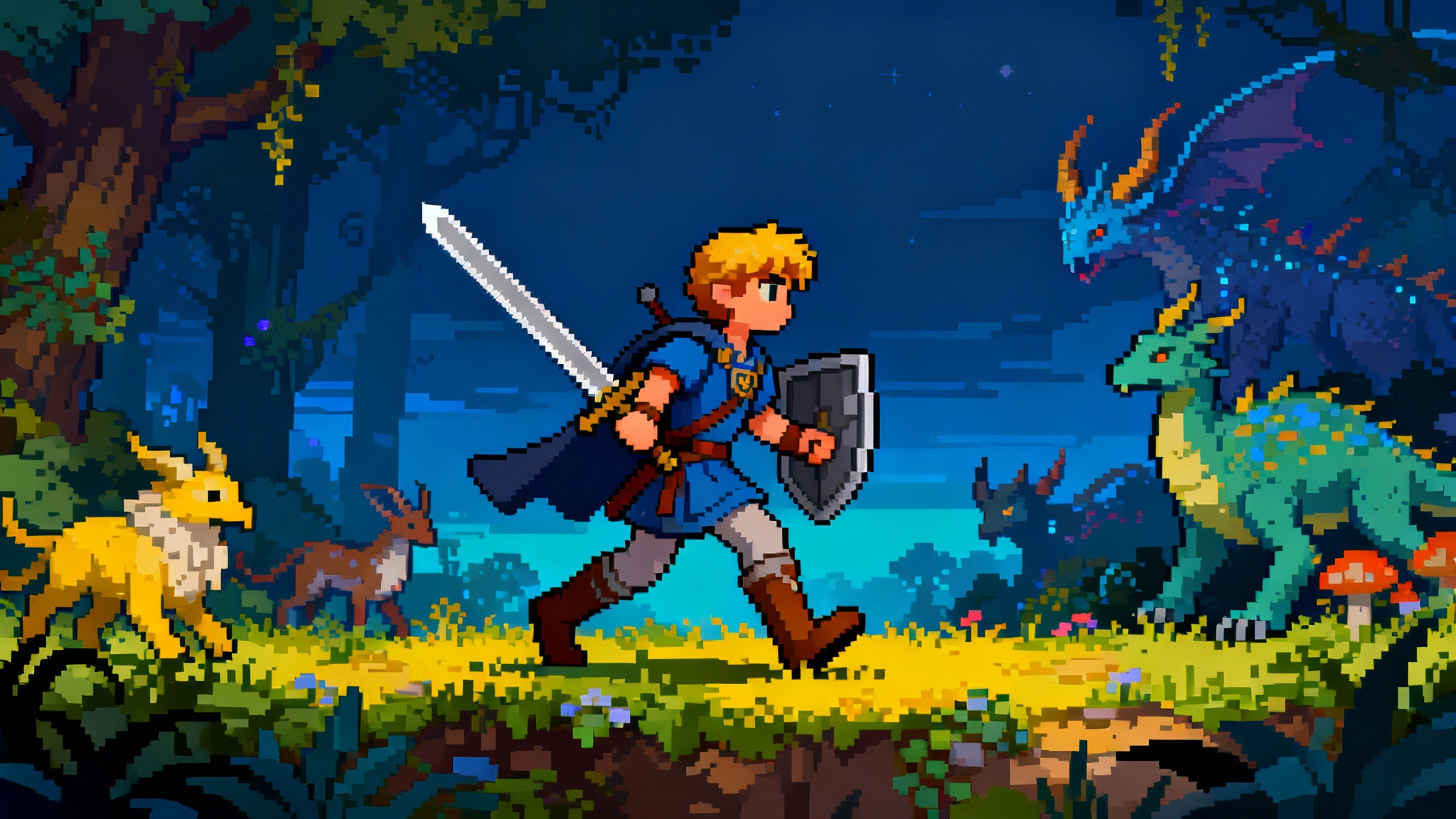
Pixel art style is a digital art form in which images are meticulously constructed from individual pixels, using low resolution graphics to evoke the aesthetics of classic 8-bit, 16-bit or 32-bit video games. This style is known for crisp edges, vibrant colors and simple geometric shapes, perfect for isometric cityscapes or retro game visuals.
A prompt template for Pixel art style AI image generation is: “Create a pixel art style image of [main subject: character, animal, object, scene], [pose or action], in [setting: fantasy village, dungeon, city street, arcade, platform], with [limited color palette, 8-bit or 16-bit resolution, clear blocky details, crisp outlines], retro video game vibes, nostalgic and charming mood.”
An example prompt for Pixel art style AI image generation is: “Create a pixel art style image of a knight in blue armor holding a sword, standing on a grassy platform with a castle tower in the background, 16-bit resolution, limited color palette, bold pixels, retro video game look, nostalgic and adventurous mood.”
A visual outcome of the example prompt is shown below.
20. Japanese art style
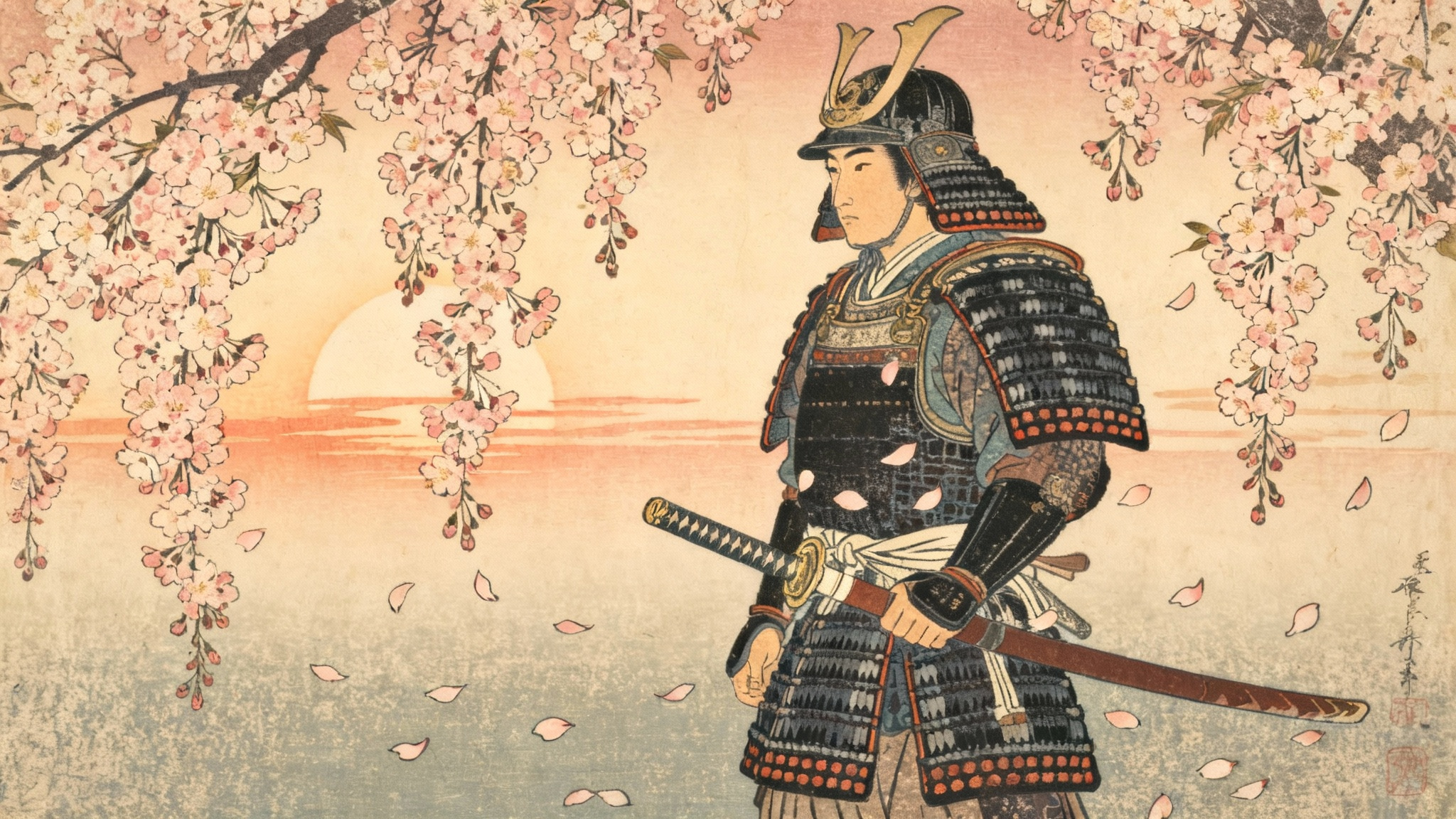
Japanese art styles feature a rich spectrum of traditional and modern techniques, which include ukiyo-e woodblock prints, ink wash painting (sumi-e) and contemporary artistic movements. Traditional Japanese art is known for its elegant lines, balanced compositions and nature inspired motifs, while contemporary styles blend these with new ideas and media.
A prompt template for Japanese art style AI image generation is: “Create a Japanese art style image of [main subject: geisha, samurai, crane, landscape, etc.], [activity or pose], in [setting: cherry blossom grove, Mount Fuji, tea house, koi pond], with [specific art style: ukiyo-e, sumi-e, traditional ink, woodblock print], [delicate brushstrokes, muted or harmonious colors, elegant patterns, minimalist composition], serene and refined mood”
An example prompt for Japanese art style AI image generation is: “Create a Japanese art style image of a graceful geisha with an ornate kimono walking beneath blooming cherry blossom trees, ukiyo-e woodblock print style, subtle pastels and muted blues, delicate lines, minimalist background, elegant and peaceful atmosphere.”
A visual outcome of the example prompt is shown below.
How to write AI image prompts?
To write AI image prompts, you need to clearly define the subject, describe it with details, keep it clear and concise and refine your words to guide the AI effectively toward your envisioned output.
- Identify the subject: Identify the subject or focus of the AI image, use concrete nouns and describe what the subject is doing so the AI clearly understands the main object of your prompt.
- Add descriptive details: Add descriptive details of the AI image with relevant context such as setting, environment or action, to make the subject vivid, recognizable and improved with supporting elements for stronger visualization.
- Define style and composition: Define the style and composition of an AI image by indicating the desired art form such as digital painting, photography or sketch style and specify framing, perspective or arrangement to guide composition.
- Provide additional details: Provide additional details like lighting, mood, color palette or symbolic references of the AI image, which add depth and uniqueness without distracting from the central focus of the subject and scene.
- Keep it clear and concise: Keep it clear and concise, avoid excessive complexity and use precise wording that delivers strong imagery without overwhelming the AI image prompt with unnecessary descriptions or contradictions.
- Refine and iterate: Refine and iterate by adjusting your prompt and experimenting with details until the AI image matches your vision. You can use AI Prompt Enhancer to minimize effort and quickly create effective prompts for the best image generation results.
What is the structure of an AI image prompt?
The core structure of an AI image prompt is the combination of the image style or type, the main subject, the setting or environment and the composition arrangement of elements. The image output refines more with additional details like lighting, color palette, mood and specific characteristics. It finally includes an artistic style like an example prompt, such as "A samurai standing in a misty forest, cinematic digital painting.”
Can AI image prompts generate accurate results?
Yes, AI image prompts can generate accurate results because the quality of the output depends on how well the prompt is written. Detailed prompts, descriptive language and precise keyword usage help writing AI image prompts more effectively. Accuracy achievement requires iteration and experimentation, along with continuous prompt refinement to match the envisioned image more closely.
Can Vosu.ai generate high quality images using prompts?
Yes, Vosu.ai can generate high quality images using prompts because it leverages advanced AI models like Flux that process text inputs and transform them into professional grade visuals. It processes detailed prompts with precision that minimizes ambiguity and produces customized artistic results through neural network processing within minutes.
Can ideogram AI produce quality images using prompts?
Yes, ideogram AI can produce quality images using prompts because it excels at generating high quality visuals with detailed descriptions and accurate text rendering. Its images are portfolio ready and the platform supports multiple styles, upscale exports, inpainting for creative edits, and strong prompt-to-image fidelity, making it competitive with top generators like Vosu.ai, Midjourney and DALL-E.
Does Headshotly.ai help with advanced prompt enhancement?
Yes, Headshotly.ai helps with advanced prompt enhancement because it features an AI prompt enhancer designed to refine and optimize user written prompts for improved AI generated results. Headshotly.ai automatically fine tunes inputs to generate more accurate and customized headshots that make it easier for users to achieve desired stylistic and professional outcomes without manual prompt engineering.
Are AI art prompt generators easy to use?
Yes, AI art prompt generators are easy to use because they offer user friendly interfaces and pre-defined style options that simplify the process. is straightforward, users create prompts by typing text descriptions or using prompt builders like Vosu.ai with custom parameters, which makes these beginner friendly platforms accessible for all skill levels without requiring advanced technical knowledge.
Is it possible to turn a photo into anime?
Yes, it is possible to turn a photo into anime because AI-powered converters use advanced algorithms to transform images into anime style art quickly and accurately. Tools like the Fotor photo to anime converter apply detailed anime filters to create high resolution portraits with authentic styles. Web based generators like Vosu.ai allow custom AI animation prompts and multiple style options for personalized results.
Can AI art styles improve image creativity?
Yes, AI art styles can improve image creativity because they allow rapid idea generation and help artists overcome creative blocks by automating tedious tasks. This accessibility opens creative expression to non-artists and fosters creative collaboration by blending human emotional and cultural understanding with AI’s capabilities. AI improves artistic exploration and expands creative possibilities.