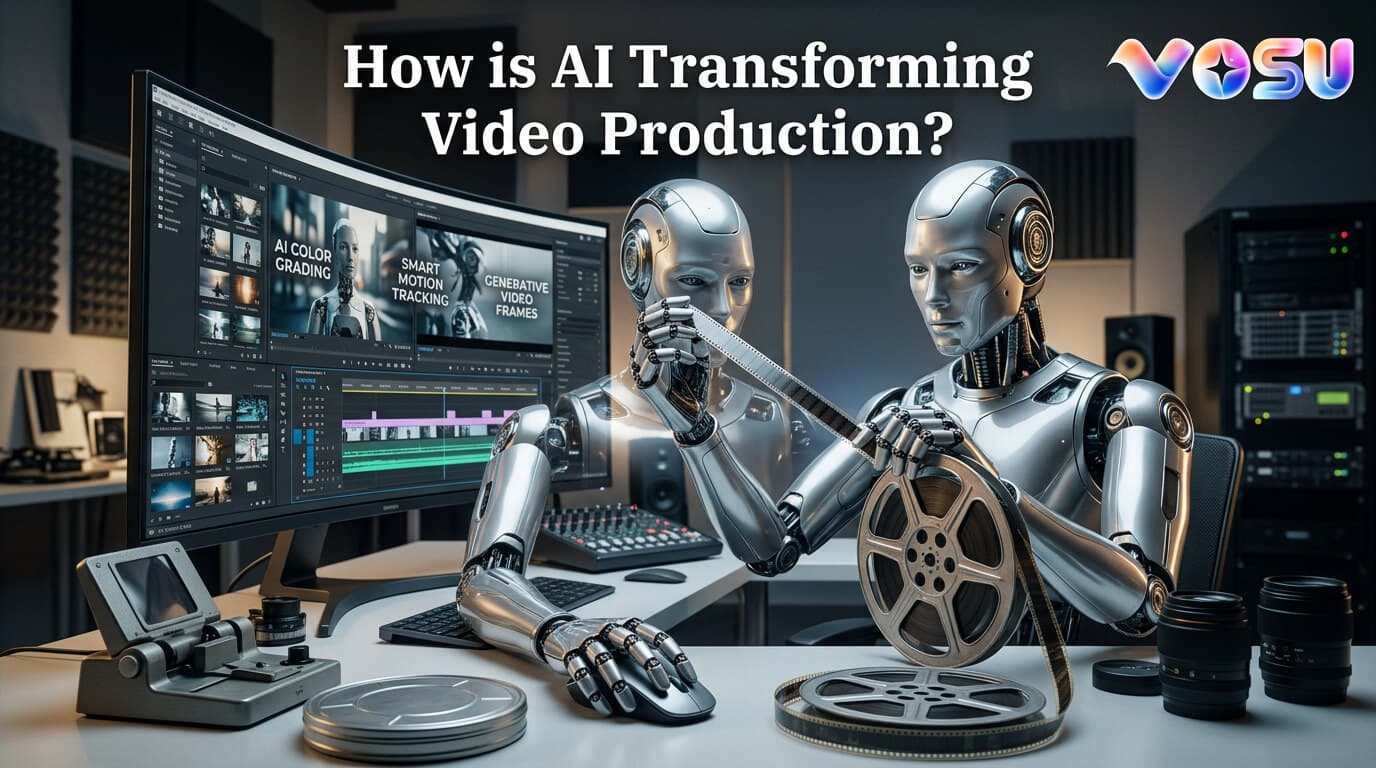
Artificial intelligence transforms video production by automating technical tasks and improving creative workflows. It also makes high quality content creation more accessible. This transformation of AI video production spans from pre production to post production, which allows faster workflows and reduces costs, promoting both studios and independent creators to produce content.
AI supports the earliest stages of production, such as scriptwriting and storyboarding. It generates ideas, structures dialogue and analyzes audience preferences to help craft compelling narratives. Storyboarding tools then transform scripts into detailed visual scenes, giving creators a clear roadmap before filming begins. AI continues to accelerate the process by optimizing pre-production and enhancing workflows during the production and post-production phases. AI automates tasks such as voice over synthesis, subtitle generation and translation. It also streamlines video editing processes, including color correction, scene detection and visual effects (VFX). AI improves video quality and allows creators to focus more on storytelling than technical details.
AI driven tools allow smaller teams and independent creators to compete with larger studios, which democratizes high end production. Real time analytics and feedback systems optimize content for different platforms and audiences that increase engagement and personalization. As AI becomes more integral, concerns emerge around deepfakes, content authenticity and job displacement. Addressing these challenges assures AI strengthens creators without compromising fairness.
AI will expand to real time interactive video generation and realistic visual effects**,** which allow new storytelling formats and personalized viewer experiences. AI will continue to act as a powerful co-pilot, which amplifies human creativity rather than replacing it and opens exciting possibilities for the future of digital video production.
How can AI be used in video production?
AI is used in video production through automation, workflow optimization and improvements in video quality at every stage, which creates a more efficient and accessible process. AI analyzes large amounts of footage, automates repetitive tasks and assists creative decisions through advanced algorithms and machine learning, which improves overall production efficiency. From script generation to footage editing and improving visuals, AI tools are integral to both professional studios and independent creators, which allows them to produce high quality content faster and at a lower cost.
AI plays an essential role in both scriptwriting and storyboarding in pre production, as AI powered tools generate story ideas, suggest dialogue and structure scripts based on genre conventions and audience preferences. AI tools such as Jasper, Sudowrite and ChatGPT, improve scriptwriting by checking consistency, grammar and pacing, which makes scriptwriting more efficient. AI turns scripts into visual storyboards with scene sketches, camera angles and basic animations,which helps teams save time and refine their vision before filming.Tools like Storyboarder and Boords support this phase by helping create detailed visual plans, which establish a strong foundation for automated video production.
AI helps simplify post-production by handling tasks like editing, voiceovers, subtitles and VFX. It picks the best shots, builds rough cuts and adds color correction, which saves time and boosts quality. Voiceover generation tools use AI to create lifelike narrations in multiple languages and tones, which makes localization easier. Automated subtitle creation and translation improve accessibility and global reach, while AI improves video quality through resolution upscaling, noise reduction and restoration of old or low quality footage. Advanced VFX tools such as Vosu.ai, Runway ML and DeepMotion use AI for tasks like rotoscoping, compositing and generating realistic effects. This helps creators produce high quality videos faster and with more creative freedom.
How is AI used in storyboarding?
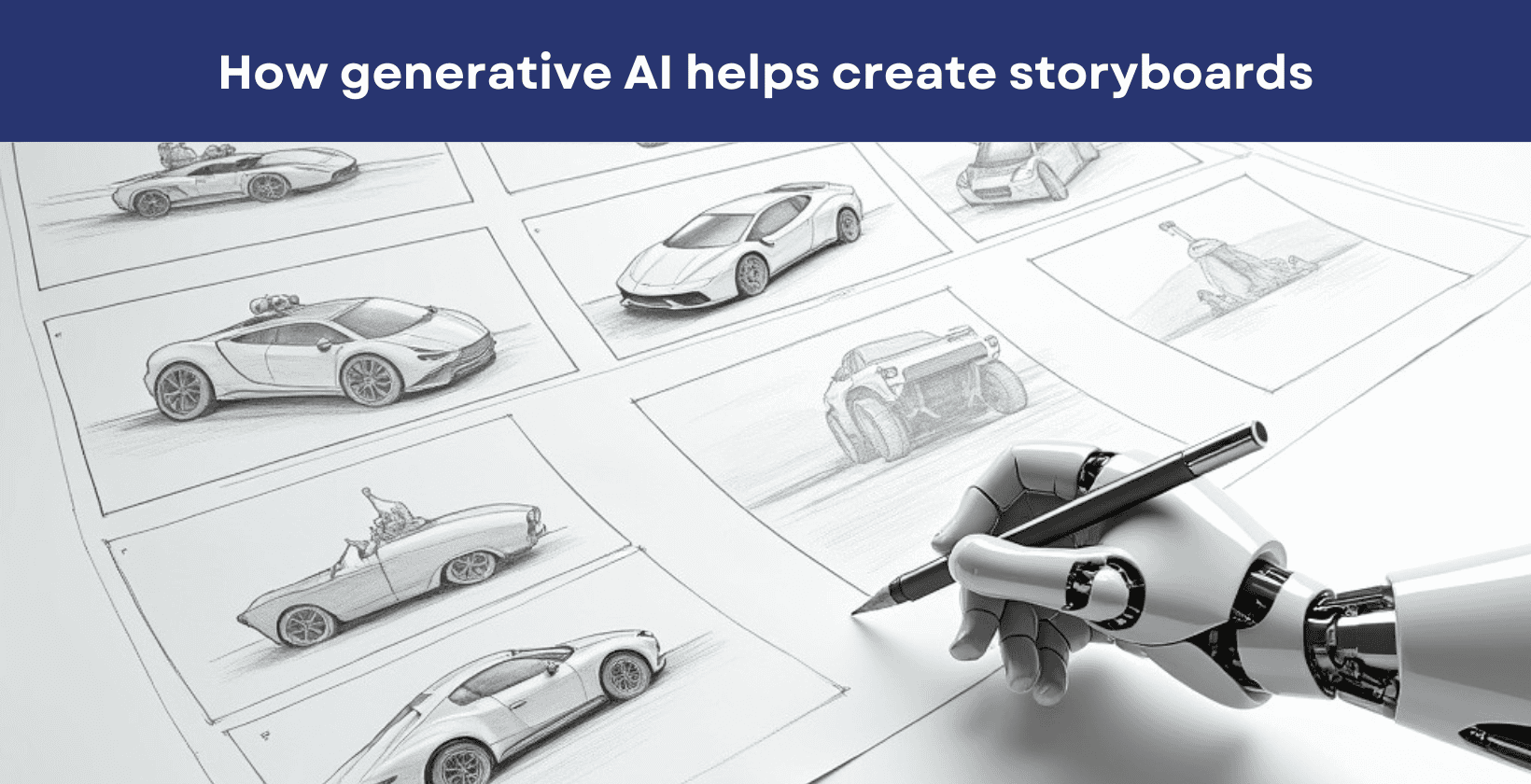
AI is used in storyboarding through advanced technologies such as Natural Language Processing (NLP) and computer vision, which convert text descriptions or scripts into detailed visual representations of scenes. AI analyzes scripts, breaks them into scenes and identifies key elements like characters, settings and actions. It then generates storyboard panels to visually represent each part. Storyboarding lets filmmakers quickly visualize ideas, test camera angles and layouts and refine concepts with minimal effort. Tools like LTX Studio, storyboarder.ai, Midjourney and Runway Gen 1 let users input a simple prompt or a full script. The AI then generates a sequence of storyboard images based on the input. These images come with customizable visual styles and maintain consistent character appearances. These platforms leverage NLP to interpret the text and computer vision to render the visuals, which makes it possible to create professional quality storyboards in minutes. It also supports real time collaboration and fast creative exploration. This integration of AI into storyboarding not only accelerates pre production but also democratizes access to high quality visual planning tools for creators at all levels.
The image below shows AI used in storyboarding.
How is AI used in scriptwriting?
AI used in scriptwriting through greater accessibility, improved efficiency and increased creative flexibility for writers at every level. AI powered tools such as language modeling, context understanding and dialogue generation generate complete scripts from simple prompts through advanced natural language processing. Users input basic story ideas, character traits, or genres and receive professional grade script drafts within seconds. Platforms such as Toolbaz, UPDF, ShortlyAI, Writesonic, Jasper and ChatGPT offer real time suggestions, assist with dialogue and secure industry standard formatting. These features make AI scriptwriting approachable for both beginners and experienced professionals.
AI helps writers brainstorm by suggesting plot twists, developing character arcs and exploring "what if" scenarios to overcome creative blocks and improve their stories. Personalization and customization also define AI supported scriptwriting. AI delivers scripts to audiences through data analysis such as viewer demographics, preferences, or brand voice, which secures the content resonates with its intended audience. Writers further refine AI generated drafts with specific tone, style, or key plot points and the AI will adapt the script accordingly.This combination of real-time feedback, idea generation and customization helps creators produce original, targeted scripts. It streamlines the process from concept to finished screenplay..
How is AI used in script-to-video generation?
AI is used in a script to video into dynamic visual content, which makes video production more efficient. It generates relevant scenes, animations, voiceovers and background music. This streamlines the entire video creation process using artificial intelligence. This makes video production easier and lets anyone create professional-quality videos without needing special skills or equipment.
AI text to video uses language understanding to read scripts and then creates or puts together visuals that match the story.The AI system generates new images and video segments or selects suitable assets from a media library, which synchronizes them with AI generated voiceovers and music. This process quickly produces engaging videos that clearly show the original text, whether from simple prompts or detailed scripts.
AI text to video generation tools include Vosu.ai, Synthesia, Invideo AI and Adobe Firefly. Vosu.ai converts text scripts to video using AI avatars, prompt editing, aspect ratio options and audio, which supports quick and accessible script to video generation for all users. Synthesia creates videos from scripts using AI avatars and multilingual voiceovers. Invideo AI generates entire videos from prompts with automated editing and media selection. Adobe Firefly allows users to describe scenes in natural language for cinematic video creation. Other AI text to video platforms like Pictory, Elai.io and Fliki also offer user friendly solutions for turning scripts into high quality videos.
How is AI used in voice-over?
AI is used in the voiceover industry by generating realistic, customizable voices that closely mimic human speech and convey emotional nuances. AI systems analyze datasets of human speech to replicate the intricacies of pronunciation, rhythm, intonation and subtle emotional expressions. This allows creators to produce high quality voice overs for videos, audiobooks, games and advertisements without the need for traditional recording sessions. This makes professional audio production more accessible and efficient.
AI voice generation converts written text into lifelike spoken audio through text to speech (TTS) technology. This voice-over process involves inputting text and choosing from a wide range of AI voices with different accents, languages and styles. The AI then generates audio that is instantly downloaded and used. Modern TTS platforms offer thousands of voices and support for multiple languages, which allows users to fine tune parameters such as pitch, speed and emotional tone to match their project’s needs. These systems produce natural, emotionally rich audio for various audiences and uses, including accessibility and content creation. AI voice over tools include ElevenLabs, Play.ht, Murf AI, Resemble AI, Speechify, WellSaid and Descript.
AI voice cloning is an advancing field within AI voice technology that allows users to create digital replicas of specific voices, either their own or others, from a short audio sample. These clones are used to generate speech in language that retains the original accent, tone and emotional delivery of speakers. Voice cloning is used for content creation, dubbing, virtual assistants and preserving voices for accessibility or personal legacy purposes.
How is AI used in subtitles?
AI is used for subtitle creation to make video content more accessible and engaging for a global audience. Subtitle generators transcribe spoken dialogue into text and sync it with the video. They can also translate subtitles into multiple languages. This not only improves accessibility for viewers with hearing impairments but also allows content creators to reach a broader, international audience.
The process of generating and translating subtitles with AI begins with automatic speech recognition (ASR). ASR technology listens to the audio in a video and converts spoken words into written text, producing a raw transcript. The AI then aligns this transcript with the video timeline, which secures subtitles appear at the correct moments. Once the initial subtitles are generated, AI systems use machine translation to convert them into languages, which makes content accessible globally.
Natural language processing (NLP) plays a key role in accuracy and quality improvement of subtitles. NLP algorithms analyze the context, grammar and meaning of the transcribed text to correct errors. They secure subtitles capture the nuances of human speech. NLP also allows the translation of subtitles into multiple languages while preserving cultural and linguistic subtleties, idiomatic expressions and
emotional tone. This leads to more natural, context aware subtitles that improve the viewing experience and foster inclusivity for the global audience.
AI powered subtitle tools such as Clipchamp, Kapwing, Flixier and others make it easy for creators to generate, edit and customize subtitles, which further increases accessibility and helps brands and individuals connect with audiences across language barriers.
How is AI used in video editing?
AI transforms video editing through automation and improvement of every step, which makes the process faster, more accessible and improves video quality and visual styles with minimal manual effort. Artificial intelligence for video editing transcribes spoken content, which allows text based editing where removing words from a transcript directly edits the video timeline. AI driven audio tools clean up background noise, balance sound levels and generate transcripts and subtitles, which streamline both audio editing and accessibility.
AI analyzes each frame to adjust color balance, saturation and lighting, which secures consistent and vibrant visuals across the project. AI powered motion tracking lets editors follow moving subjects and add effects or graphics that stay perfectly aligned with the action. AI creates initial video drafts by detecting scene changes, removing silence and selecting the best takes. Scene detection algorithms organize footage into logical segments, simplifying the editing process.
Content optimization features recommend suitable formats, aspect ratios and publishing times for each platform, while upscaling tools increase resolution, noise reduction tools reduce grain and stabilization tools correct unstable footage. AI video editing tools like Adobe Premiere Pro, RunwayML, Gling, Riverside and Captions AI offer advanced features that let creators focus on storytelling while AI automates technical and repetitive tasks.
How does AI impact video production?
AI reshapes the VFX (visual effects) industry through automation of labor intensive processes, improvement of creativity and allows new levels of realism and efficiency in crafting immersive visual experiences. Artificial intelligence completes tasks such as rotoscoping, the frame by frame isolation of objects or actors for background replacement in a fraction of the traditional time, which redirects artists' focus to compositing instead of repetitive masking. Motion tracking is similarly revolutionized, with AI accurately following objects or actors through complex scenes, which secures that added effects or CGI elements remain perfectly synchronized with live action footage.
AI’s capabilities extend to CGI rendering and real time rendering, where deep learning models accelerate the creation of photorealistic images and allow on the fly adjustments, crucial for interactive or virtual production environments. AI analyzes human expressions and movements in facial animation and motion capture. It generates lifelike digital performances and automates tasks like de-aging and character animation, as seen in major films. AI-driven simulations create highly realistic effects like fire, water and smoke. Generative AI tools speed up concept development by instantly producing diverse visual styles and 3D models from text or image prompts.
AI video advances not only improve the quality and scope of VFX but also democratize access, which allows smaller studios and independent creators to produce high end effects once limited to major productions. The industry delivers more compelling, visually stunning experiences for a global audience through the integration of AI at every stage of the VFX pipeline. This includes asset generation, scene detection, background replacement and crowd simulation, while also reducing production time and costs.
What is the future of AI in video production?
The future of AI in video production is where automated video production, efficient workflows and increasing adoption fundamentally reshape how content is created, personalized and consumed. AI-generated video content is expected to surge by 2026. Projections suggest that 10% of all digital video content will be AI-generated, driven by rapid advances in deep learning, neural rendering and generative adversarial networks. This growth makes video creation faster, more cost effective and accessible to creators and brands of all sizes, which allows a single person to produce what once required an entire studio using just a few text prompts.
Artificial intelligence extends beyond automation into real time video generation and interactivity, as platforms produce video content based on user inputs, which increases dynamic and personalized experiences across large audiences.
Artificial intelligence allows adaptive content that updates during mid-playback based on user interactions or environmental signals, which increases video relevance and engagement for individual viewers. Artificial intelligence analyzes viewer data and behavior to support content adjustments in real time, which allows brands to deliver relevant, emotionally aligned experiences for each audience segment.
Artificial intelligence improves the realism and visual quality as generated videos become indistinguishable from live action footage, with improvements in facial animation, motion, texture and lighting. Artificial intelligence supports the integration of virtual and augmented reality to produce storytelling and branded interactive experiences. Artificial intelligence gives independent creators and small teams high end tools to produce sophisticated, cinematic content. This accelerates the shift toward automated, scalable and creative video production.
In conclusion, AI shapes the future of video production through automation at scale, real time interaction, viewer specific output and increasing realism. These advances improve workflow efficiency and drive widespread adoption across the industry.
Will AI take over humans in video production?
No, AI will not take over humans in video production, but it will automate many time consuming and repetitive tasks such as editing, captioning, scene selection and basic motion graphics. Human creativity, emotional intelligence and storytelling, remain irreplaceable, while AI serves as a powerful assistant to boost efficiency and let creators focus on originality and narrative depth.
Will AI replace screenwriters?
No, AI will not replace screenwriters because it still lacks creativity, emotional depth and the unique human touch essential for compelling storytelling. AI cannot replicate the originality, cultural insight and genuine emotion that human writers bring to scripts, which are vital for memorable screenplays.
Will AI replace traditional voice-over?
No, AI will not replace traditional voice over because human voice actors bring emotional depth and nuance, creativity and a unique voice that AI cannot fully replicate. While AI can handle basic narration and repetitive tasks, the subtle emotions, improvisation and personal touch of skilled voice actors are irreplaceable in delivering truly engaging and memorable performances.
Can AI replace video editors?
No, AI cannot replace video editors because AI excels at automating tasks and speeding up workflows, but it lacks the creativity and emotional intelligence that human editors bring to storytelling. Human editors make nuanced decisions about pacing, mood and narrative flow, which secures each video resonates emotionally, something that AI is not capable of replicating.
Can AI take over visual effects (VFX)?
No, AI can not take over visual effects (VFX) because it lacks the human creativity, nuanced artistic vision and emotional storytelling essential for VFX. AI excels at time consuming automation and repetitive tasks like rotoscoping, motion tracking and rendering, but it cannot replicate the originality, intuition and collaborative artistry that human VFX professionals bring to complex creative projects.
Can AI upscale a video?
Yes, AI can upscale a video by increasing its resolution and generating new pixels to improve detail and clarity. AI upscaling tools use deep learning to predict and fill in missing information, which results in sharper, higher quality videos. Popular AI video upscaling tools include Topaz Video AI, CapCut, DVDFab Video Enhancer AI, VideoProc Converter AI and Youcam AI Video Enhancer.
Are there any AI tools that can analyze a video?
Yes, many artificial intelligence tools analyze video using computer vision and machine learning to identify objects, actions and trends. These tools process video frames, extract metadata and recognize people, vehicles and events, which allows real time alerts and searchable archives. These AI tools include Amazon Rekognition, Google Cloud Video Intelligence, Azure Cognitive Services, Clarifai and Lumina.